Introduction
Your bathroom is a very important space, you will need to be happy with the aesthetics and be able to rely on the functionality. A key component of every bathroom is the tiles. They set the tone, the colour palette and the style of your bathroom as they usually cover the most amount of area. So you will need to fall in love with your bathroom tile choice to ensure your bathroom lives a long and happy life.
There is no ‘best’ type of bathroom tile, as each bathroom is different and each will serve different types of people and families. Bathrooms need to function for those who will use it. So, right off the bat gloss or glazed tiles for floors would not be suitable if the bathroom is going to be used by elderly people or kids.
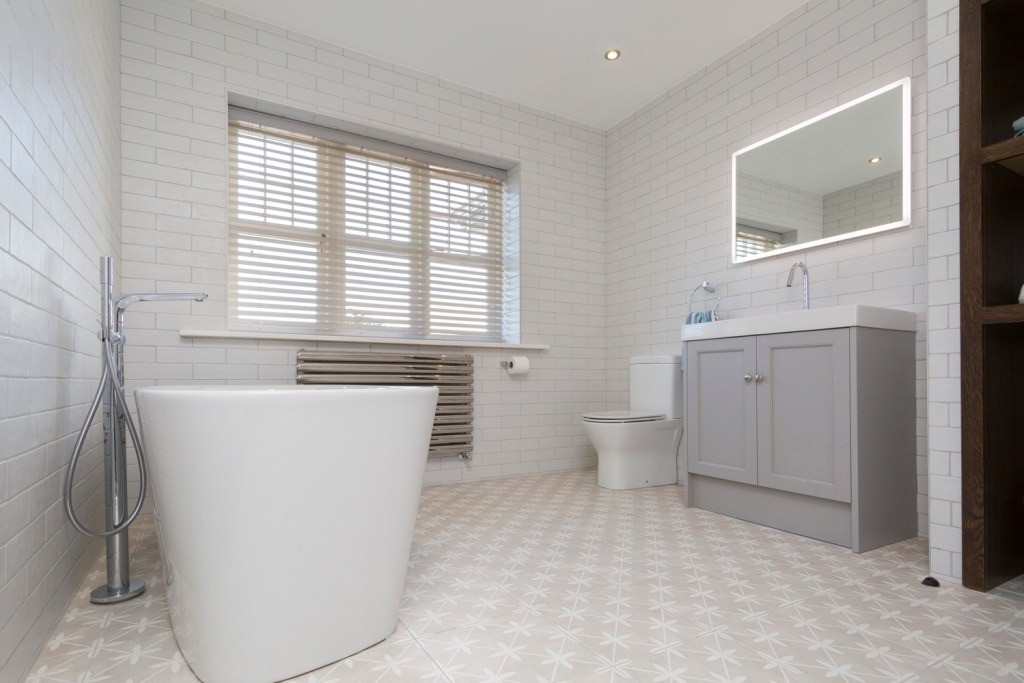
For bathrooms that will serve elderly or kids, matt non-slip finish tiles are the way to go. Wall tiles should not be walked on… so any finish will be fine. Before moving on to colour/style of tile, you need to work out who your bathroom will serve. Only then can you move on to aesthetics. While on the topic of functionality, some tiles are easier to keep clean than others (dark colours), while some tiles are easier to clean (glazed/gloss tiles).
After you chose sensibly for your bathroom floor tiles – you can now choose what style and colour you want to tile your bathroom in. Ideally, your bathroom ware (toilet/sink/bath/shower) and tile should work together. Modern, sleek minimalist bathroom ware should be paired with tiles that will work in harmony with it and the same rationale for other styles of bathroom.
How to Choose Bathroom Tiles: A Step-by-Step Checklist
Choosing bathroom tiles comes down to five decisions, in this order: who uses the room, floor slip resistance, wet zone vs dry zone, tile size relative to room size, and finally colour and style. Getting the order right matters more than the individual choices — picking a beautiful gloss floor tile before checking who's using the bathroom is how you end up replacing it within a year.
1. Who's using the bathroom
A family bathroom used by children or elderly relatives should prioritise a floor tile with good slip resistance. An R10 rating under the DIN 51130 classification is a common benchmark, while a PTV of 36 or above under the pendulum test is generally considered a lower slip risk. An ensuite used only by able-bodied adults offers more flexibility, although gloss or polished porcelain can still become slippery when wet.
2. Floor vs wall requirements
Floor tiles need to handle foot traffic and slip resistance; wall tiles don't, since nobody walks on them. This is why the same tile range often comes in a matt floor finish and a higher-gloss wall finish — check the box for the R-rating or PTV figure before assuming a tile you like the look of is suitable underfoot.
3. Wet zone vs dry zone
Inside a shower enclosure or around a freestanding bath, you're in a fully wet zone and need a tile with low water absorption — porcelain (classified BIa under ISO 13006, under 0.5% water absorption) rather than standard ceramic. Outside the direct splash zone, ceramic (BIIa/BIIb, up to 6% absorption) is a lower-cost option that performs fine.
4. Tile size relative to room size
As a rough guide: bathrooms under 4m² generally read larger with 60×60cm or bigger tiles and minimal grout lines, while smaller mosaic or metro tiles work well as an accent around a sink or shower rather than across the whole floor. See the tile size breakdown below for the full range.
5. Colour and style last, not first
Colour and pattern are the easiest decisions to change your mind on later (a feature wall or a different bathroom entirely), so they're the last filter to apply once the functional requirements above have already narrowed the field.
Which colour is best for bathrooms?
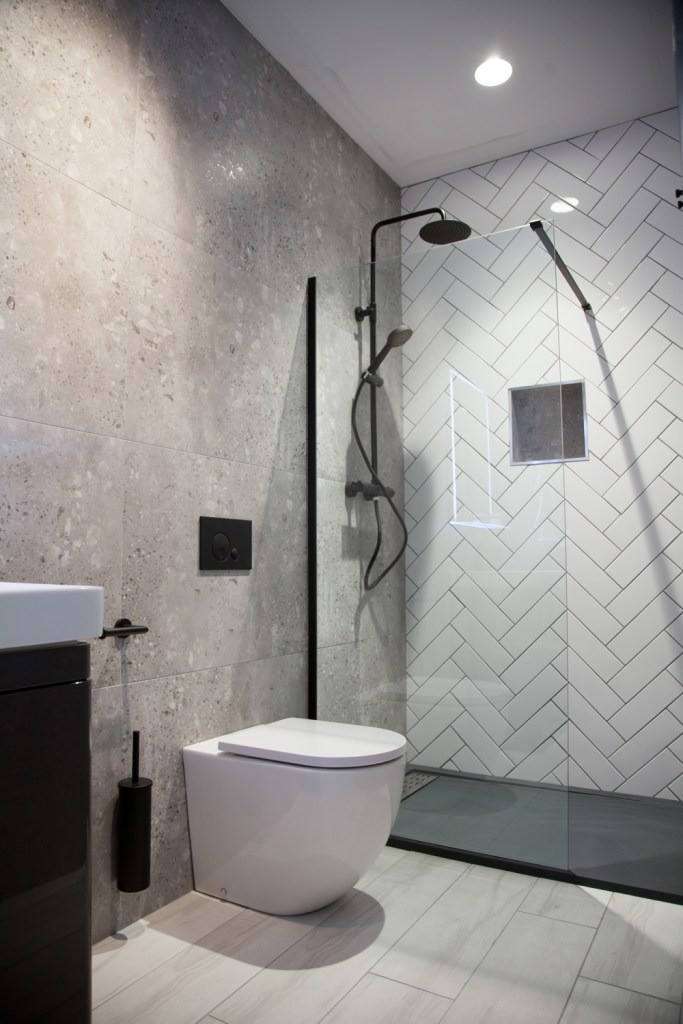
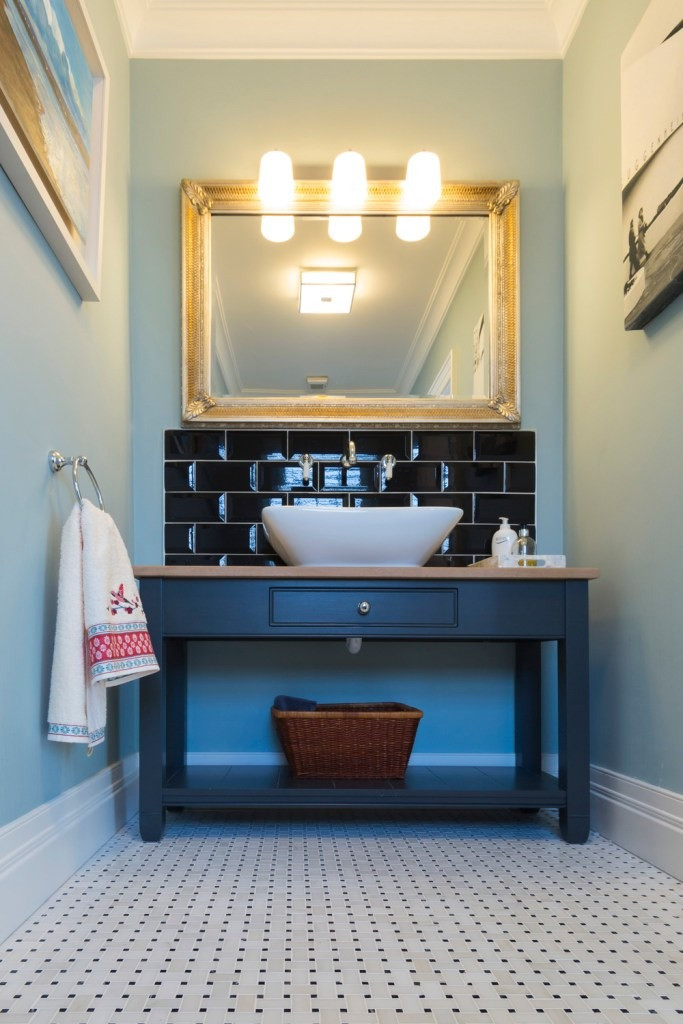
When it comes to the colour – the use or lack thereof, is also an aesthetic choice. Monochrome or multi-coloured, there is no right and wrong choice, your style and colour choice should be your own. One of the most popular bathroom tile colours for the past few years (and not slowing down) has been grey. This adaptable colour is available in nearly 50 different shades, and nearly as many patterns adorning their surface.
What is the most common bathroom tile size?
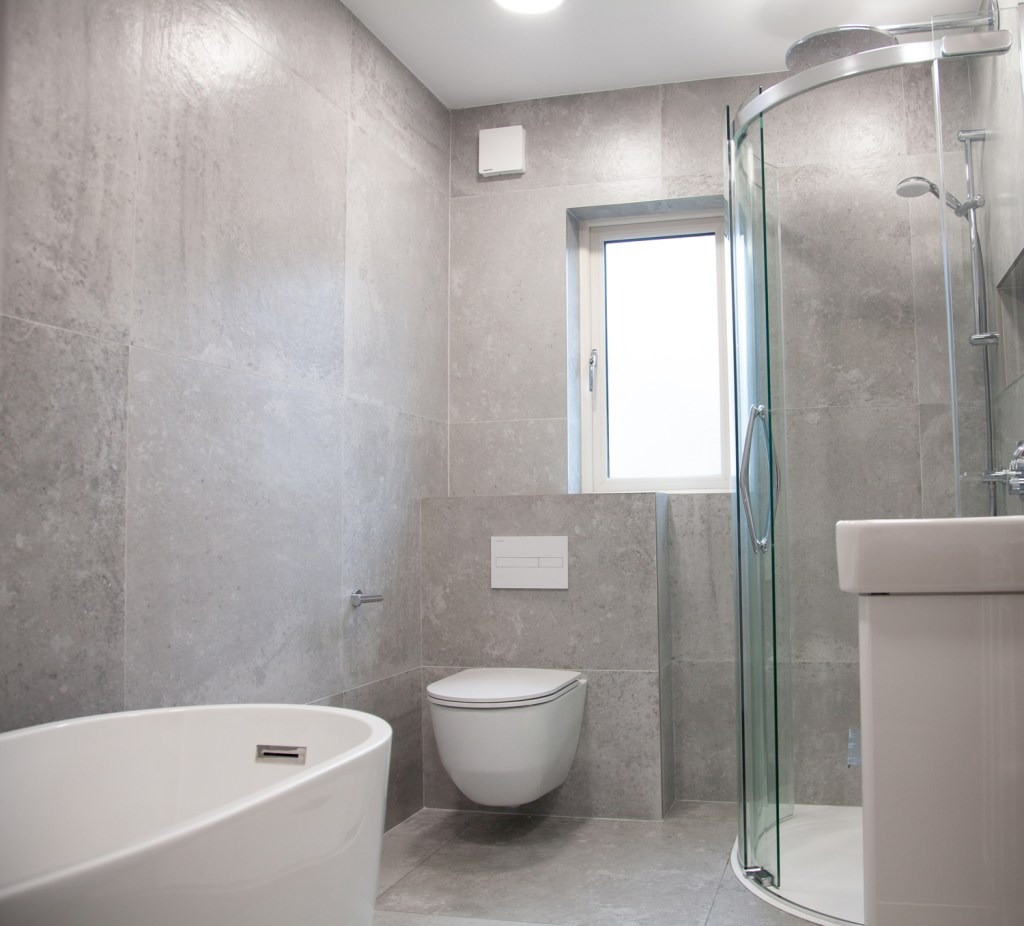
When it comes to bathroom tiles, there are several sizes available to suit various design preferences and spatial considerations. However, one size stands out as the most common and widely used option in modern bathrooms: the 60×60 cm floor tiles. This size strikes a perfect balance between functionality and aesthetics, making it a popular choice for both small and large bathrooms alike.
Large format tiles can have a transformative effect on small to medium sizes bathrooms, (see Cement Grey 80×80 cm above) creating an illusion of space with the resulting lack of grout lines because of the large tile size. Conversely, using small tiles in a section surrounding a sink or shower in a large bathroom can remove any possible feeling of sparseness.
The 60x60cm tile offers a versatile canvas for creating visually appealing bathroom designs. Its elongated rectangular shape allows for seamless installation on both floors and walls, providing a clean and modern look. Whether arranged in a classic brick pattern or laid in a contemporary staggered layout, this tile size adds a sense of sophistication to any bathroom space.
Moreover, the 60x60cm tile size helps visually expand smaller bathrooms, giving the illusion of a larger area. Its elongated dimensions draw the eye along the length of the room, creating a more open and spacious feel.
Other Common Bathroom Tile Sizes
Beyond 60×60cm, the sizes most commonly used in Irish bathrooms are: large-format tiles from 60×120cm up to 100×100cm for feature walls and open-plan wet rooms; metro/subway tiles, typically 75×150mm or 100×200mm, for splashbacks and shower walls (see our Subway Tiles range); hexagon tiles, usually sold with a side length of 250mm hexagon, for feature floors or accent walls (see our Hexagon Tiles range); and mosaic sheets on a mesh backing, sized in individual chips from 20mm to 50mm, for shower floors and niches where a flat tile can't follow the fall of the drain.
As a rule, the smaller the tile, the more grout lines per m², which means more cleaning and, on a floor, more grip — mosaic is a common choice for shower trays for that reason.
What is the most common bathroom tile trend/style?
Adding a feature wall is a fantastic way to inject personality, style, and a touch of drama into your bathroom design. Whether you opt for bold patterns, captivating textures, or eye-catching materials, a well-designed feature wall can transform your bathroom from ordinary to extraordinary.
One popular approach to creating a feature wall is by using statement tiles. Consider incorporating large-format tiles with intricate patterns or vibrant colours to create a focal point that demands attention. From mosaic designs to geometric motifs, there are endless possibilities to choose from. Let your creativity soar and select tiles that reflect your unique taste and complement the overall aesthetic of your bathroom.
Thin Stone Cladding
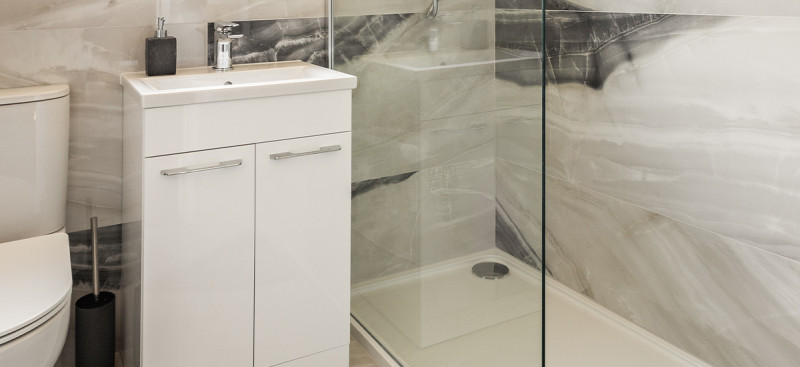
A new game-changing trend in bathroom design is thin stone cladding. This revolutionary tile allows you to bring the beauty of natural stone into your bathroom, creating an elegant and luxurious ambience. Thin stone cladding instantly adds a touch of opulence and sophistication to any bathroom. With its unique textures, rich hues, and intricate patterns, this natural material exudes timeless beauty.
One of the key advantages of thin stone cladding is its ability to transform even the smallest bathrooms into stunning sanctuaries. As the name suggests, thin stone cladding is incredibly thin and lightweight, making it ideal for wall applications. This means you can enjoy the luxurious look and feel of natural stone without sacrificing valuable wall space.
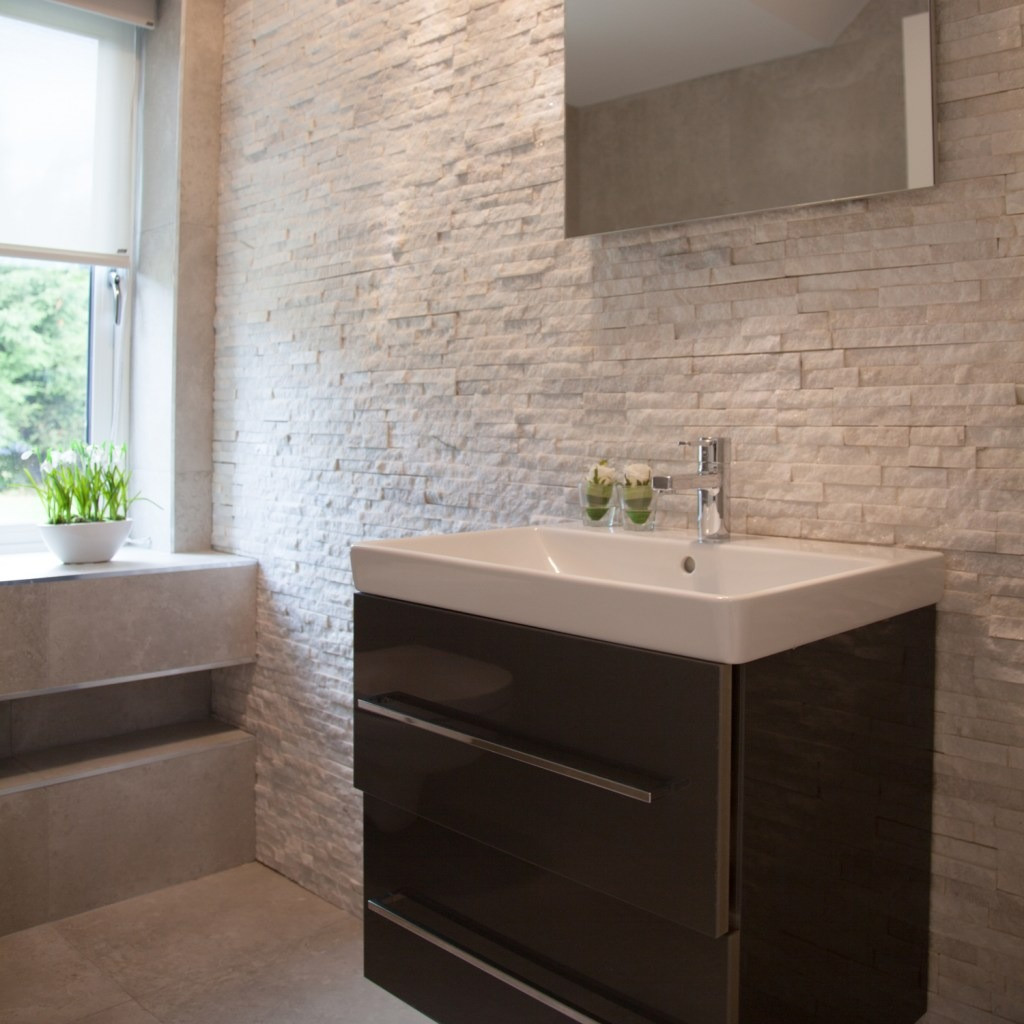
The bathroom is a high-moisture environment, and it's essential to choose materials that can withstand these conditions. Thin stone cladding is highly durable, resistant to water, and requires minimal maintenance. Once installed, it will continue to retain its beauty and charm for years to come. Additionally, stone has a timeless quality that ensures your bathroom will remain in vogue, even as trends come and go.
Imagine stepping into a bathroom that exudes an air of tranquility and relaxation. Thin stone cladding can help you achieve just that. The natural textures and organic colours of stone create a calming atmosphere, perfect for unwinding after a long day. Whether you're aiming for a spa-like retreat or a modern oasis, incorporating stone cladding into your bathroom design will elevate the ambiance and create a soothing haven.
Wood-Effect Tiles
In Ireland, where the rugged landscapes and rustic aesthetics hold a special place in our hearts, incorporating wood effect tiles into your bathroom is a wonderful way to bring warmth, character, and a touch of nature into your space.
Wood-effect tiles are a superb way of adding some textural feel to your bathroom without comprising functionality. Available in a dazzling array of styles, patterns and colours these tiles contain supercharged characteristics and look hyper-realistic.
One of the main concerns when considering wood in a bathroom is its susceptibility to water damage. However, wood effect tiles provide the perfect solution. These tiles are crafted from porcelain or ceramic, offering exceptional durability and water resistance. Unlike real wood, they are impervious to moisture, making them ideal for bathroom environments where water exposure is a common occurrence. You can enjoy the beauty of wood without worrying about warping, swelling, or rot.
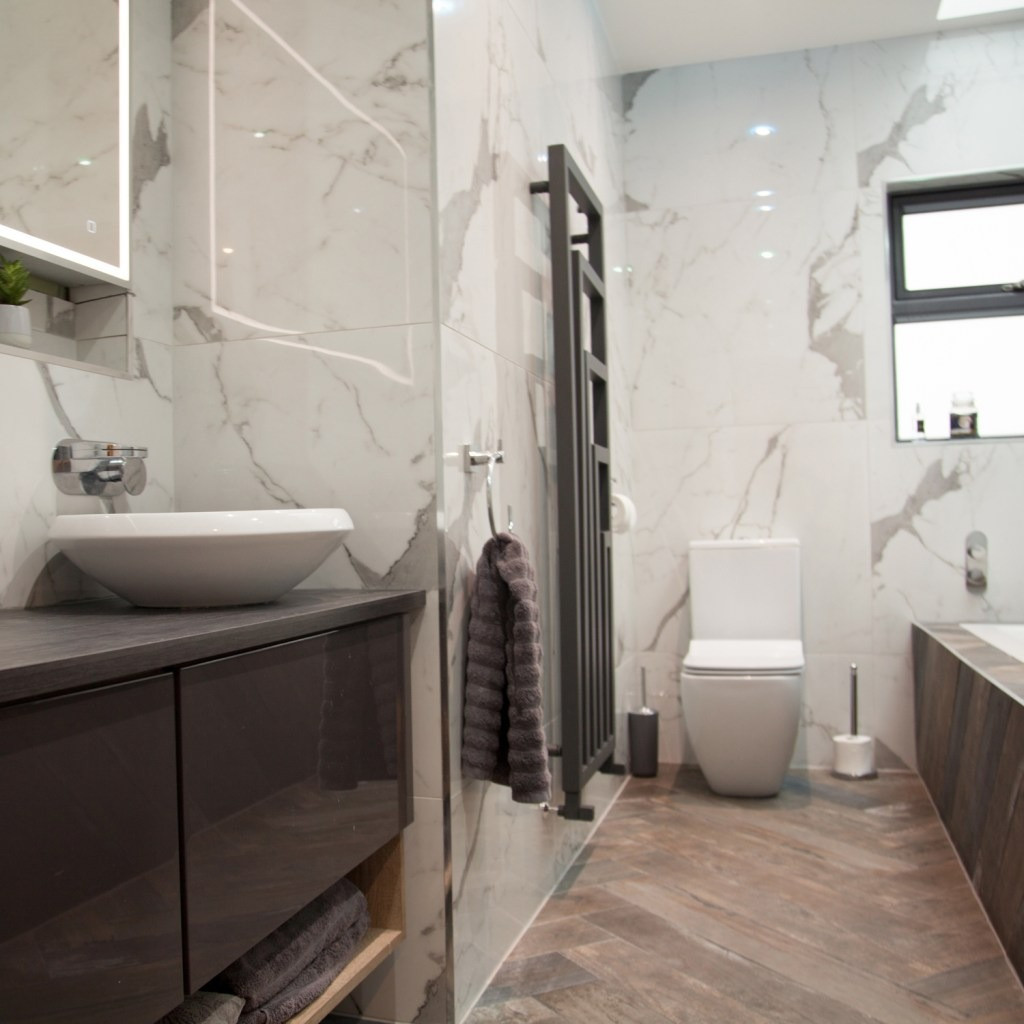
Marble Effect Tiles
Marble has long been synonymous with opulence and elegance, and incorporating marble effect tiles into your bathroom design allows you to enjoy the stunning aesthetics of marble without the maintenance and cost associated with natural stone.
Marble effect tiles capture the essence of natural marble, showcasing its stunning veining patterns and elegant hues. These tiles offer a wide range of options, from classic Carrara marble with its distinctive grey veins to the dramatic beauty of Emperador marble with its rich brown tones. Whether you prefer a sleek and contemporary design or a more traditional and timeless look, marble effect tiles provide endless possibilities to enhance the visual appeal of your bathroom.
Marble effect tiles are easy to clean and maintain, requiring only simple routine care to keep them looking pristine. With marble effect tiles, you can enjoy the luxurious aesthetics of marble without the high maintenance and worry of damage.
Different Types of Bathroom Tiles
Bathroom tiles fall into four material categories: porcelain, ceramic, natural stone, and mosaic/glass.
Porcelain is fired at a higher temperature than ceramic, giving it water absorption under 0.5% (classification BIa, ISO 13006). It's the standard choice for wet zones — shower floors, walls inside the enclosure, and full wet rooms.
Ceramic has higher water absorption (up to 6%, classification BIIa/BIIb) and is lighter and generally cheaper than porcelain. It suits dry-zone walls and floors outside the direct splash area.
Natural stone — marble, travertine, limestone — needs periodic sealing to maintain its water resistance, unlike porcelain or ceramic. Marble-effect porcelain (covered above) gives the same look without that maintenance requirement.
Mosaic and glass tiles are sold on mesh sheets rather than as individual units, and are used where a flat tile can't follow a shower floor's fall to the drain, or as a decorative border or niche lining.
For a look at pattern-led options across these materials, see our Pattern Tiles range.
FAQs: Choosing Bathroom Tiles
How do I choose bathroom tiles?
Start with who's using the bathroom (kids or elderly need a slip-rated floor), then separate floor and wall requirements, then wet zone vs dry zone, then tile size for the room, and choose colour and style last.
What are the best tiles for bathroom floors?
Matt or textured porcelain with an R10 or higher slip rating (DIN 51130), or a PTV of 36+ under the pendulum test. Gloss and highly polished tiles are best reserved for walls, not floors.
What size tiles are best for a small bathroom?
Larger tiles (60×60cm or above) generally make a small bathroom feel bigger, since fewer grout lines create a more continuous surface. Small mosaic or metro tiles work as an accent rather than across the whole floor.
Are porcelain or ceramic tiles better for bathrooms?
Porcelain has lower water absorption (under 0.5% vs up to 6% for ceramic) and is better suited to wet zones like shower enclosures. Ceramic is a lower-cost option that performs well outside the direct splash zone.
Do bathroom floor and wall tiles need to match?
No, but they should coordinate. Many ranges offer the same tile in a matt floor finish and a gloss wall finish specifically so you can use one design across both surfaces.
What tile size is most common for bathroom floors?
60×60cm is the most common floor tile size in modern Irish bathrooms, offering a balance between grout-line reduction and ease of handling during installation.
Can I use large-format tiles in a small bathroom?
Yes. Large-format tiles (60×120cm and above) are often used specifically to make a small bathroom feel larger, since they reduce the number of grout lines breaking up the floor.
How much does it cost to tile a bathroom in Ireland?
In Ireland, quality bathroom tiles generally range from €25 to €55+ per m², while professional tiling labour costs average between €35 and €60 per m² depending on location and subfloor prep. For a standard family bathroom (20–25 m² total surface), total costs for tiles, adhesive, grout, and professional fitting usually run between €1,900 and €2,500.
Conclusion
In summary, there is only one *rule* – functionality – your bathroom should work for you and for all those who will use it. After creating a bathroom that works, allow your creativity to take over while bearing in mind your tiles should match your sanitary ware. Do not be afraid to look around for inspiration before making your tile choice, there is bathroom in every house, so there is not shortage of finished bathrooms to look at online (or call in to our showrooms for some real life inspo).
Our showrooms have 50+ installed bays for you to peruse and choose from. The bays in our showrooms contain a broad range of styles to choose from. Tile Merchant showroom locations have a mix of bay sizes too that reflect 99% of Irish bathroom sizes, so you can get a feel of what might work in your space.
Some bathroom suits simply work better in compact bathrooms and vice versa with large bathrooms. If you do not find the black tap you wish to use in your minimalist monochrome bathroom or your double sink bathroom unit in mid-century style, our sales advisors can source it for you from our premium suppliers of bathroom ware. Tile Merchant showrooms are open 7 days a week!
Why Tile Merchant?
We offer extremely competitive pricing on our entire range of tiles and likewise. We stock a huge range of wall and floor tiles and our prices are competitive for retail and trade. Our stock is widely available in our tile stores in Ireland, which are open 7 days a week.
Alternatively, if you’d prefer to shop our tiles online, we can supply you with samples delivered for free.