Introduction
A Houzz Ireland survey on garden renovation trends found that 70% of Irish homeowners prioritise a low-maintenance outdoor space above all else, with over half choosing to pave or deck part of their garden specifically to cut down on upkeep.
Artificial grass may just be the answer to all of your gardening gripes! It looks great, feels natural, and requires next to no maintenance at all. But when it comes to choosing the right synthetic grass for your garden, it’s not as simple as just picking the grass which looks best.
We’ve drawn up this handy guide for the Irish gardener and homeowner, taking you through each of the considerations you should make when selecting the perfect artificial grass for your home.
Here at Tile Merchant, we offer four different types of quality artificial grass, as well as everything you need to maintain and install them. Check out our guide below to help you make your decision! This article explain all you need to know about artificial grass.
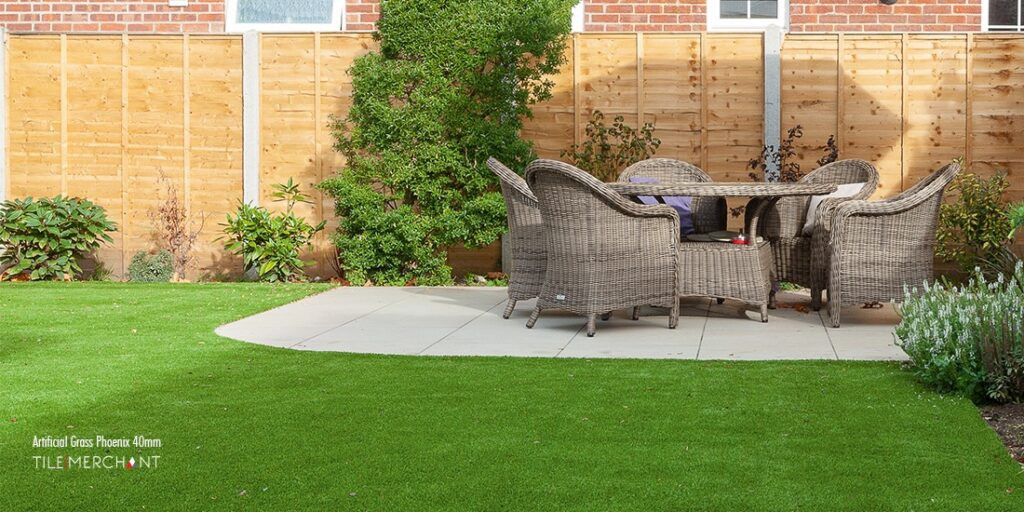
What to Look for When Buying Artificial Grass: A Checklist
Before comparing individual products, it helps to know the five things that actually determine whether an artificial grass will suit your garden: intended use, pile height, pile density, drainage, and fibre material. Get these right and the rest, colour, budget, brand, becomes a much easier decision.
1. What the lawn is for
Ornamental, family, or pet use each call for a different spec, covered in detail below. This should be the first filter you apply, since it affects almost every other choice on this list.
2. Pile height
Shorter pile (15mm–25mm) gives a neat, freshly-cut look and is easier to clean; longer pile (around 40mm) looks fuller and more like an unmown natural lawn. See the pile height guide below for specifics.
3. Pile density
Higher density (more stitches per m², or a heavier grass by weight) looks more realistic and holds up better under repeated foot traffic. Lower density is a reasonable way to save money on a lawn that won't see much use.
4. Drainage
A grass with proper drainage is essential if pets will use the lawn, or if the area needs to handle rain and spillages without pooling. Check the drainage holes per m² on the product spec rather than assuming all artificial grass drains equally well.
5. Fibre material
Polypropylene, polyethylene, and polyamide (nylon) each offer different durability and cost trade-offs, covered in full below. Polyamide is the most durable and the most expensive of the three.
What’s your artificial grass for?
The most important consideration to make when shopping for Irish artificial grass is what you plan to use it for.
Ornamental Lawn
If you are planning to install artificial grass for ornamental purposes, and don’t intend for it to see much footfall, then you don’t need a particularly durable grass. You can opt for a higher pile height (which tends to give a more attractive look), whilst saving money on the pile density. You also don’t need to worry about installing a shockpad underneath, or cleaning up after pets.
Family & Party Lawn
A family and/or party lawn of artificial grass is going to see lots of heavy footfall and rough wear and tear. For this purpose, you’ll need artificial grass with a thick pile density, to ensure it stays looking plush and lovely for years to come. You should also consider installing a shockpad below the grass layer, to protect yourself and children from the shock of falls. A lawn with proper drainage will allow for spillages from parties and lunches to be more easily washed away with a house, too.
Pet-Friendly Lawn
If you’ve got pets to contend with (and clean up after) then we at Tile Merchant recommend you opt for a shorter pile height of artificial grass – this will make it easier to pick up after dogs and cats. A lower pile density will also help with this – but is only advisable if the lawn is not going to receive heavy footfall in addition to the pets. It’s also important to invest in an artificial grass type with proper drainage, so that urine doesn’t build up and cause a bad smell.
What is your preferred aesthetic?
Whilst aesthetics should not be your only consideration, it is naturally an important one to make when shopping for artificial grass for your Dublin backyard, or Galway garden patch. There are three main factors contributing to the aesthetics of artificial grass. We highly recommend that you come visit us at one of our Dublin showrooms to get a real feel for the grasses we offer. Alternatively, you can always order some samples to test at home!
Artificial Grass Pile Height
Pile height refers to the lengths of the grass-fibres which the artificial rolls are made of. For people who like the look of freshly-cut grass, 15mm or 25mm pile height is ideal. For those who prefer a more ‘natural’ lawn, then we recommend opting for a 40mm pile height instead. Remember, however, that factors such as pets may impact your decision (see above).
Pile Height at a Glance
| Pile Height | Best For | Trade-off |
|---|---|---|
| 15mm | Neat, freshly-mown look; low-traffic ornamental areas | Shows wear on heavily used paths faster than longer pile |
| 25mm | A balance of natural look and everyday durability; most family gardens | Mid-range on both cost and cushioning |
| 30mm–35mm | Pet-owning households wanting easier cleanup with a fuller look | Slightly more effort to brush upright after heavy use |
| 40mm | A lush, unmown natural look; low-traffic show lawns | Harder to keep pet mess and debris fully clear of the base |
Artificial Grass Pile Density
Pile density refers to the number of stitches (fibres) per m2 of grass. Sometimes density is measured by weight. The more stitches, or the heavier the m2, the more authentic the grass is going to look, and the more durable it’s going to be under heavy foot traffic. If you require artificial grass for ornamental reasons only, for example, then you could get away with a lower pile density, which would look good for your purposes, and save you some cash.
Colour Choice & Shade
It might surprise you to learn that artificial grass isn’t just ‘green’. After all, natural grass is many different shades of green, yellow, and brown. Plus, natural grass has different shading from different angles.
Thus, it’s important to order a few sample swatches of the artificial grasses we offer at Tile Merchant, and compare them against your current lawn at home before buying. We also recommend doing so at different times throughout the day and in different weather conditions.
What’s more, be sure that when you do install your artificial grass, you position the pile to face toward the house, to give it the most natural look.
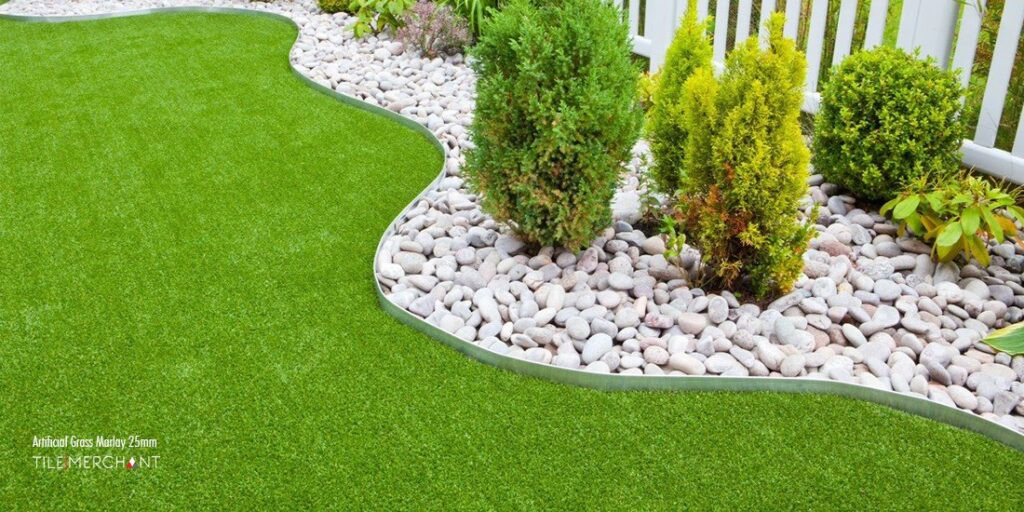
Types of Artificial Grass Explained
Artificial grass is generally categorised two ways: by the fibre material it's made from, and by the shape of the individual grass blades.
By fibre material
Polyethylene is the most widely used fibre, soft underfoot and a close match to the texture of natural grass, making it the standard choice for most residential lawns. Polypropylene is a stiffer, more affordable fibre, often used for the "thatch" layer beneath the main pile rather than as the primary blade material on higher-quality grass. Polyamide (nylon) is the most durable and most expensive of the three, and tends to be reserved for high-traffic areas like sports surfaces rather than typical garden lawns.
By blade shape
Flat blades tend to catch and reflect light in a way that can look slightly artificial ("shiny") from certain angles. C-shaped or diamond-shaped blades are more common in higher-end grasses, since their curved profile scatters light more naturally and helps the pile spring back upright after being walked on, rather than staying flattened.
Most quality artificial grass, including our range, blends two or more blade shapes and colours within the same product, which is part of what creates a natural, multi-tonal look rather than a flat, single-shade green.
What is your budget?
How much is fake grass? It’s our belief at Tile Merchant that renovating your garden to make your home look the way you want it doesn’t have to be expensive. It’s our mission, therefore, to offer our services and products across a wide range of prices, to suit every budget across Ireland, from the biggest city homes to the smallest farmsteads.
Artificial grass is sold by square meters (m2), so measuring the area you wish to cover with artificial grass is a fundamental part of assessing your budget.
Our artificial grass offers the best quality at the best price, ensuring great value for every budget (check artificial grass prices here).
The average size of a back garden in Ireland is approximately 30m2, meaning that the average cost to cover an entire back garden with Tile Merchant artificial grass would be between €299.70 and €959.70
How long does artificial grass last?
Artificial grass is made up of one of three types of fibre: polypropylene or polyethylene are the most common, whilst polyamide (nylon) is a little more expensive, as it’s a little more durable. Whatever the grass is made of, however, with proper maintenance it is likely to last you 15-20 years. All of the fake grass we sell here at Tile Merchant is backed by an 8-Year Warranty, though as we say, with careful cleaning and care, we are confident our grasses will last you decades.
What are the benefits of artificial grass?
Installing artificial grass in Ireland and Irish gardens comes with many benefits:
- Low-maintenance: Our grasses require no feeding, weeding or mowing
- Durable: Tile Merchant fake grass is hard-wearing and suitable for all situations
- Fade-resistant: With our UV-protected materials, the lustre of our grasses won’t fade
- Easy to clean: A little water and an occasional brush will go a long way
- Easy to install: Our fake grass can be installed anywhere you like with little difficulty
- Ideal for smaller spaces: Roof terraces, balconies, and decking can all benefit from it
- Ideal for pets: Being easy to clean means our fake grass will withstand anything pets can throw at it. Pick up after them and hose down the grass in summer, or let the rain do the work in winter.
How do you look after artificial grass?
Generally speaking, artificial grass requires little to no maintenance at all. It never needs weeding, preening, mowing, or feeding, and usually (especially with Ireland’s weather) the rain does all the cleaning for you.
Nevertheless, clearing the artificial grass of debris, rinsing regularly with a hose in summer, and brushing the grass with a plastic-bristle brush will keeps your new lawn looking fresh and fantastic for decades.
How do you install artificial grass?
We’ve published a whole detailed guide on how to install artificial grass on any type of surface (concrete, gravel, grass, decking, and tiling) on our blog – go check it out!
To give you a brief overview, however, installation can be done DIY, or with the help of a suggested installer.
Typically speaking, you need to ensure that your artificial grass has a solid, well-draining sub-base, such as concrete, decking, or a mix of type-1 aggregate and sharp sand. On top of this, a weed membrane must be laid and secured to a border. Following the weed membrane, you can elect to lay a shockpad layer (especially useful for families with small children). Finally, the grass is glued and/or nailed to the border frame and shockpad/weed membrane, before an in-fill sand is added (this final sand stage depends on the requirements of your particular grass brand).
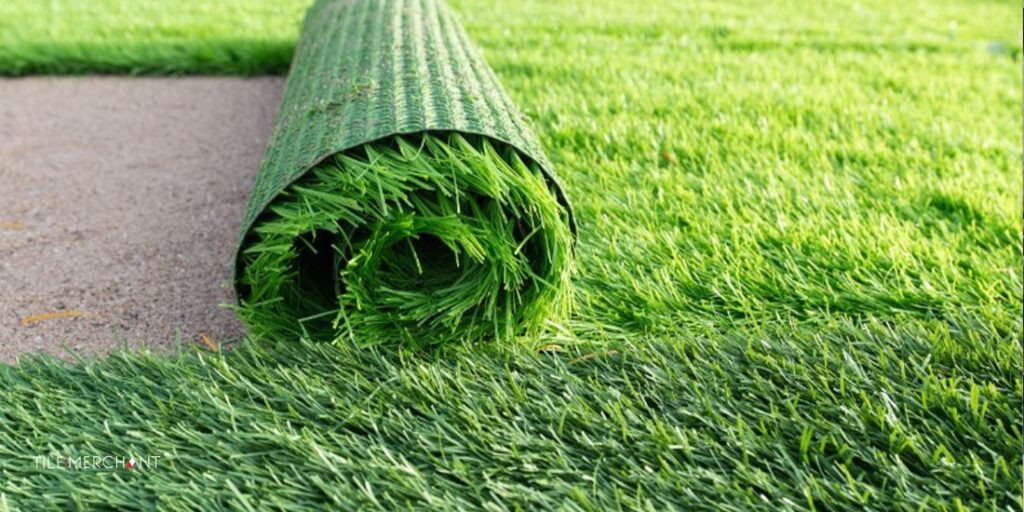
FAQs: Choosing Artificial Grass
What should I look for when buying artificial grass?
Five things matter most: what the lawn will be used for, pile height, pile density, drainage, and fibre material. Getting these right for your specific garden matters more than colour or brand.
What is the best artificial grass?
There isn't a single "best" grass, it depends on use. A family garden needs high pile density and good drainage; a pet-friendly lawn needs shorter pile and strong drainage; an ornamental lawn can prioritise a longer, lusher pile since it won't see heavy wear.
What is the best pile height for artificial grass?
25mm is the most common choice for family gardens, balancing a natural look with everyday durability. Shorter pile (15mm) suits low-traffic ornamental areas, while 40mm suits a lush, low-traffic show lawn.
What are the different types of artificial grass?
Artificial grass varies by fibre material (polyethylene, polypropylene, or polyamide/nylon) and by blade shape (flat or C-shaped/diamond). Higher-quality grass typically blends multiple blade shapes and colours for a more natural look.
How thick should artificial grass be?
Pile height (often referred to as thickness) of 25mm–35mm suits most gardens. Thicker pile looks fuller but is somewhat harder to keep clean in pet-friendly or high-traffic settings.
How do I choose artificial grass for a garden with pets?
Choose a shorter pile height and strong drainage so urine doesn't pool or cause odour. A slightly lower pile density can also make cleanup easier, provided the lawn won't also see heavy foot traffic.
Is polyethylene or polypropylene better for artificial grass?
Polyethylene is softer and more realistic underfoot, making it the standard choice for the visible pile on most residential lawns. Polypropylene is stiffer and more affordable, often used in the base thatch layer rather than as the primary blade material.
How long does good quality artificial grass last?
With proper care, 15–20 years is typical, regardless of which fibre material is used, though polyamide (nylon) tends to be the most durable of the three.
Conclusion
Choosing an artificial lawn doesn’t have to be difficult, and now that you’ve read our guide, you’re ready to go and choose the perfect synthetic grass for your Irish garden! Just be sure to take full advantage of Tile Merchant’s FREE sample service with FREE delivery before you decide to buy. If you have any questions on choosing the best artificial grass for your garden, please send us an email and a member of our experienced team will be happy to help.
Why Tile Merchant?
We offer extremely competitive pricing on our entire range of tiles and likewise. We stock a huge range of wall and floor tiles and our prices are competitive for retail and trade. Our stock is widely available in our tile stores in Ireland, which are open 7 days a week.
Alternatively, if you’d prefer to shop our tiles online, we can supply you with samples delivered for free.

Article written by Calum
Cal Bannerman is a freelance writer, editor, podcaster and voice actor from the Scottish Borders. He runs the storytelling podcast "Stories from the Hearth" and lives in a wee Glasgow Flat with his partner and their cat".