Introduction
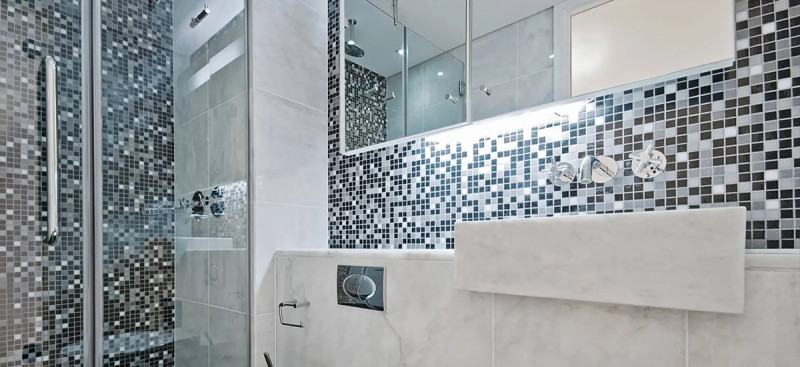
Mosaic tiles are a timeless and versatile choice that can instantly elevate the aesthetics of any space. Whether you're looking to add a pop of colour to your kitchen backsplash or create an intricate design in your bathroom, mosaic tiles offer endless possibilities. In this blog post, we'll guide you through the process of installing mosaic tiles, helping you achieve a stunning décor that reflects your unique style and adds a touch of artistry to your home.
How to Install Mosaic Tiles
Step 1: Gather Your Tools and Materials
Before you begin the installation process, make sure you have all the necessary tools and materials. You'll need mosaic tiles of your choice, tile adhesive, a trowel, tile spacers, a grout float, grout, a sponge, and a tile cutter or nippers for any tile cuts required. Ensure you have protective gear such as gloves and goggles for your safety during the installation. These tile accessories can be found on Tile Merchant Ireland website.
Simplify Your Project with Mosaic Mesh Backers
One common challenge when learning how to lay mosaic tile alongside larger wall or floor tiles is the difference in tile thickness. Because mosaic sheets are usually thinner than standard porcelain or ceramic tiles, they can end up sitting lower on the wall, creating an uneven lip.
You can solve this problem by using self-adhesive mosaic mesh backers. Fitting mesh sheets behind your tiles adds rigidity, prevents small mosaic pieces from sinking unevenly into the adhesive, and brings your mosaics flush with surrounding tiles:
Alpha Mosaic Mesh 30x30cm (11 Pack): Designed for mosaic pieces measuring 10x10mm or larger, this 1.4mm self-adhesive mesh adds crucial thickness and backing support. Simply peel off the release paper, stick it firmly to the back of your tile sheet, and trim any excess with scissors. Each pack of 11 sheets covers approximately 0.99m².
FORTE Mosaic Mesh 30x30cm: This high-grip self-adhesive mesh turns flexible mosaic sheets into rigid, easy-to-handle panels. It prevents flexible sheets from twisting during installation and cuts easily with a utility knife to fit corners or tight edges.
For best results, pair your tile sheets with high-quality grout products to ensure a smooth, long-lasting finish in damp areas like kitchen splashbacks and showers.
Step 2: Prepare the Surface
Start by preparing the surface where you'll be installing the mosaic tiles. Ensure it is clean, dry, and free from any debris or dust. If necessary, repair any cracks or uneven areas and apply a primer or sealer as recommended by the manufacturer to create a suitable surface for tile adhesion.
Step 3: Plan Your Design
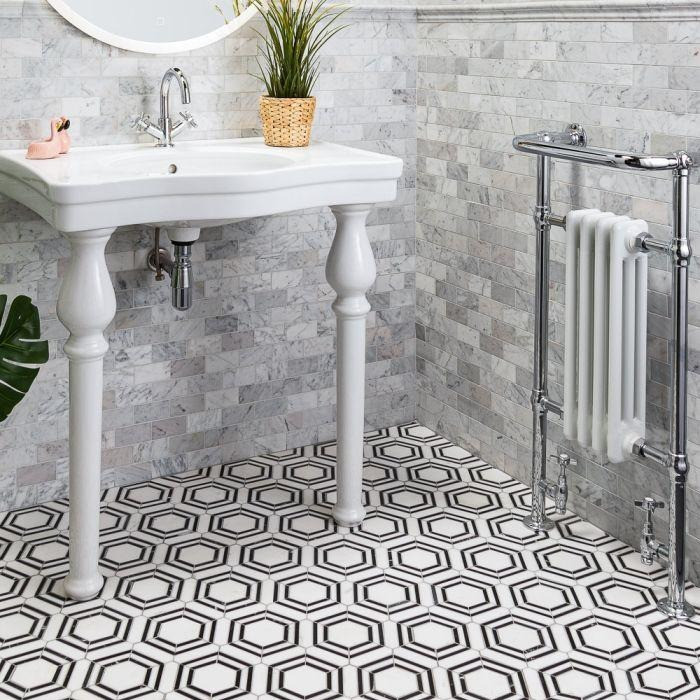
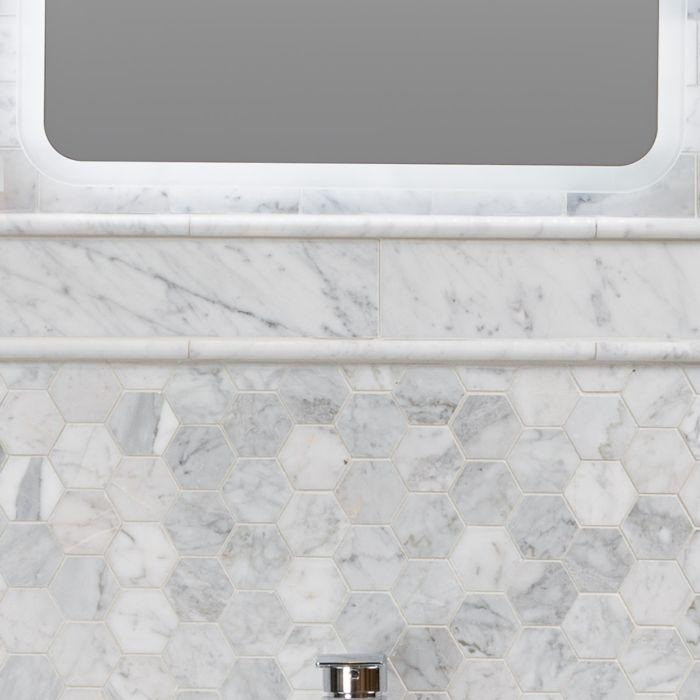
Before applying adhesive, plan your mosaic tile design and decide if you want to install them in a horizontal or vertical way. Lay out the mosaic tiles on a flat surface or use a tile mat to visualize the pattern and make any necessary adjustments. This step is crucial for achieving the desired look and ensuring a smooth installation process.
Step 4: Apply Tile Adhesive
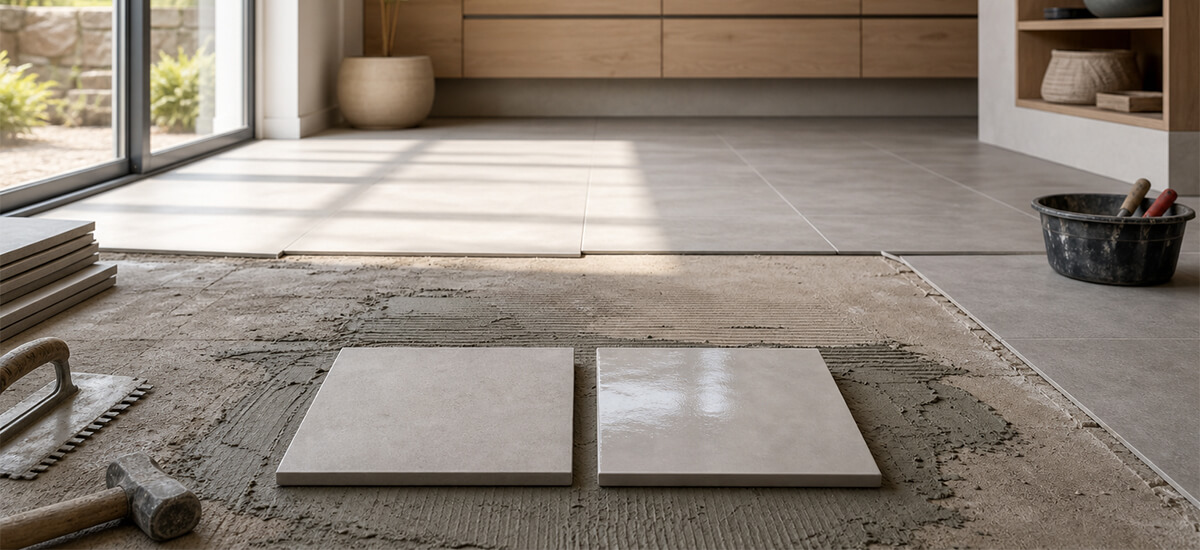
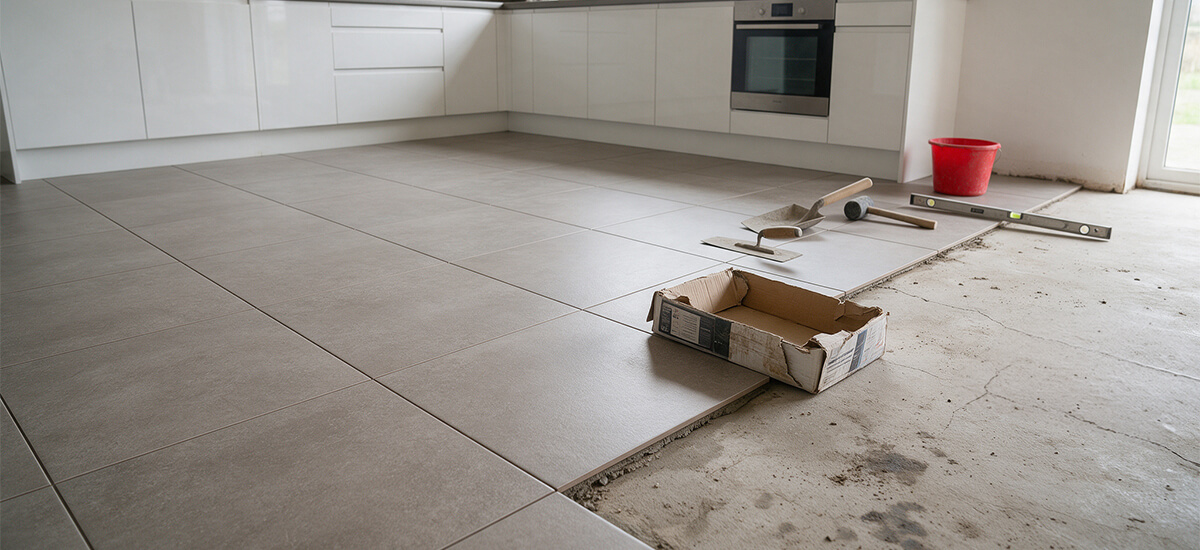
Apply the adhesive to your surface using a V-notched trowel. Use the flat side to smooth out the adhesive so that you have an even coverage. Using a trowel, apply tile adhesive to a small section of the surface, starting from the bottom and working your way up. Apply the adhesive evenly, creating ridges with the trowel. It's essential to work in manageable sections to prevent the adhesive from drying out before placing the tiles.
Step 5: Place the Mosaic Tiles
Carefully place each mosaic tile onto the adhesive, following your planned design. Press gently but firmly to ensure proper adhesion. Use tile spacers to maintain consistent spacing between the tiles and create even grout lines. Continue this process, working in small sections, until you have installed all the mosaic tiles. Be careful! You do not want the adhesive to ooze out between the tiles!
Step 6: Make Tile Cuts if Needed
Allow the adhesive to set (follow manufacturer instructions). Sponge away any excess using a damp sponge. If you encounter areas where mosaic tiles need to be cut to fit, use a tile cutter or nippers. Measure the required size and mark the tile, then carefully cut it according to your measurements. Take your time and ensure accuracy to achieve a seamless and professional-looking result.
How to Cut Mosaic Tile Sheets
Knowing how to cut mosaic tiles properly depends on whether you are cutting the flexible mesh backing or the actual tile pieces themselves.
To cut around sockets, taps, or wall edges, lay the mosaic sheet face down on a clean flat surface and cut through the mesh backing using a sharp utility knife or scissors. This allows you to remove individual tile pieces to fit around obstacles effortlessly.
If you need to cut individual glass, ceramic, or stone mosaic pieces in half, use a pair of handheld tile nippers or a wet tile saw. Mark your cut line on the tile with a pencil, align the jaws of the nipper over the line, and squeeze firmly to snap the piece cleanly.
Step 7: Apply Grout
Once the adhesive has cured according to the manufacturer's instructions (adhesive may require 24 hours to set, check manufacturer’s instructions), it's time to apply grout. Prepare the grout mixture following the manufacturer's guidelines. Use a grout float to spread the grout over the mosaic tiles, making sure to fill the gaps completely. Work at a diagonal angle to the tile joints to avoid pulling the grout out of the gaps.
Step 8: Clean and Finish
After allowing the grout to set for a few minutes, use a damp sponge to carefully wipe away excess grout from the tiles' surface. Rinse the sponge frequently and continue wiping until the tiles are clean and the grout lines are smooth and well-defined. Once the grout has fully cured, use a dry cloth to buff away any remaining haze on the tiles.
Frequently Asked Questions About Installing Mosaic Tiles
How do you keep mosaic tiles level with thicker surrounding tiles?
Stick self-adhesive mesh backers, like the Alpha Easy Mosaic Mesh, onto the back of your mosaic sheets before tiling. The extra thickness brings thin mosaics up to the same level as standard wall or floor tiles.
What kind of adhesive should I use for mosaic tiles?
Use a pre-mixed or cement-based flexible white tile adhesive. White adhesive is essential for glass or light natural stone mosaics, as dark grey adhesive can show through transparent tiles or discolour light stone.
Is it hard to install mosaic tile sheets on a wall?
No, mosaic tile sheets are simpler to install than laying individual small tiles because hundreds of pieces are held together on a flexible sheet. Using a mesh backing board makes sheets rigid and easier to align.
What size trowel notch is best for mosaic tile installation?
A 3mm or 4mm V-notched trowel is ideal. Smaller notches spread just enough adhesive to grip thin tiles without pushing excess mortar up between the fine grout lines.
How do you cut flexible mosaic tile sheets?
You can cut through the mesh backing between tile pieces using a utility knife or scissors. If you need to cut through individual glass or ceramic tile pieces, use handheld tile nippers or a wet saw.
Can you install mosaic tiles directly over existing wall tiles?
Yes, provided the existing tiles are clean, structurally sound, and primed with a specialized tile primer to ensure proper adhesive bonding.
How long should mosaic tile adhesive dry before applying grout?
Allow the adhesive to set for 24 hours before grouting. Grouting too early can trap moisture underneath the mesh and cause tile pieces to shift or loosen.
What type of grout is best for kitchen and bathroom mosaic tiles?
A flexible, fine-textured anti-mould wall grout is best for tight mosaic joints. Smooth grout ensures full coverage without scratching delicate glass or polished stone surfaces.
Tips for Installing Mosaic Tile Backsplashes in Kitchens and Bathrooms
Laying a mosaic tile backsplash in a bathroom or kitchen requires extra attention to detail due to moisture exposure and uneven surfaces. Here are a few expert tips to keep in mind when tiling a wall with mosaic sheets:
Use the Right Trowel Size: Always use a 3mm to 4mm V-notch trowel when applying mosaic tile adhesive. If your notch ridges are too deep, adhesive will squeeze out between the small gaps, making grouting difficult and messy.
Support Wall Sheets: When installing mosaic sheets on vertical walls, place a temporary timber battens or spirit level at the base to prevent the bottom row from slumping while the adhesive sets.
Flatten the Surface with a Beating Block: After placing each sheet on the adhesive, press a flat wooden block or a rubber grout float over the entire sheet and tap lightly. This ensures every small mosaic piece settles flat and level across the wall.
Explore our complete range of mosaic tiles to find glass, marble, stone, and ceramic options suitable for any home renovation.
Conclusion
Installing mosaic tiles can be a rewarding DIY project that adds a touch of artistry and elegance to your home. By following these step-by-step instructions, you'll be able to achieve a stunning décor that showcases your personal style and creativity. Remember to take your time, plan your design, and pay attention to detail for a professional-looking installation.
Why Tile Merchant?
We offer extremely competitive pricing on our entire range of tiles and likewise. We stock a huge range of wall and floor tiles and our prices are competitive for retail and trade. Our stock is widely available in our tile stores in Ireland, which are open 7 days a week.
Alternatively, if you’d prefer to shop our tiles online, we can supply you with samples delivered for free.