- Introduction: The Timeless Classic Back for More!
- Exploring the Most Popular and Common Applications of Subway Tiles in Irish Homes
- The 6 Key Benefits of Installing Subway Tiles in Your Irish Home
- 6 Most Popular Ways to Lay Subway Tiles: And Irish Interior Design Guide
- Style #1 - Horizontal Brick Pattern: The Classic Subway Tile Layout
- Style #2 - Horizontal Stacked Pattern: Perfect with wooden floors
- Style #3 - Herringbone Pattern: Something a bit different!
- Style #4 - Vertical Brick Pattern (Vertical 3⁄4): Pushing up the ceilings
- Style #5 - Vertical Stacked Pattern: Best for small bathrooms
- Style #6 - Diagonal Brick Pattern (Vertical ½): Dynamic flow and texture
- Our Top Tips for How to Clean Subway Tiles and Maintain Metro Tiles
- Conclusion
- Why Tile Merchant?
Introduction: The Timeless Classic Back for More!
Subway tiles, also known across Ireland as metro tiles, are rectangular wall tiles traditionally featuring a 1:2 or 1:3 aspect ratio. Originally designed for the subterranean train stations of early 20th-century New York, these tiles remain one of the most versatile surface options for modern home renovations.
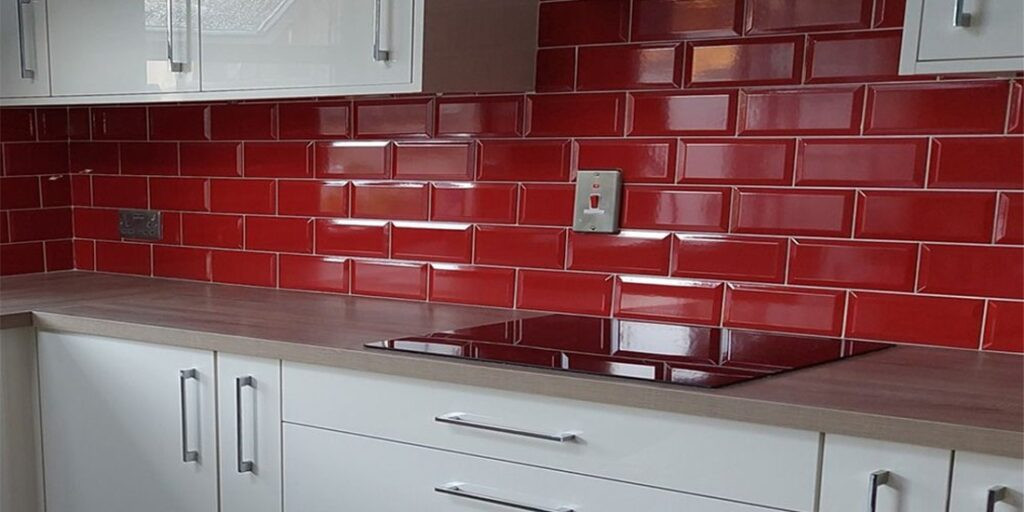
Why are subway tiles so popular?
The tiles you’ve been seeing so much of in Irish home renovations are not, in fact, a passing trend. They’ve been in use since they were first designed for the opening of the New York subway system at the dawn of the 20th century.
Subway tiles have remained a staple of residential architecture for over a century due to their clean lines, structural durability, and low porosity. Originally prized in Victorian public spaces for their hygienic, easily cleanable glazes, metro tiles transition effortlessly between period properties and minimalist, contemporary interiors.
In Irish homes, where natural light can vary significantly throughout the year, glossy metro glazes bounce ambient light across rooms, making small kitchens and windowless ensuite bathrooms feel larger. Furthermore, the availability of flat-edge, bevelled, matte, and hand-moulded crackle glazes ensures these tiles suit any design concept.
| Subway Tile Profile | Visual Effect & Depth | Best Design Application |
|---|---|---|
| Bevelled Edge | Slanted perimeter edges create strong shadows and a 3D textured appearance under direct lighting. | Traditional kitchens, bistro-style backsplashes, and vintage bath surrounds. |
| Flat Edge (Smooth) | Sleek, flush surface that emphasizes clean geometric grout lines and modern minimalism. | Modern stacked layouts, wet rooms, and Scandinavian kitchen designs. |
| Handmade / Zellige Look | Uneven surfaces and variable tonal glazes catch light unevenly for an artisanal finish. | Rustic farmhouses, feature walls, and bohemian kitchen surrounds. |
In this article, we’ll walk you through the 6 most popular pattern ideas for using metro tiles in your home, as well as our top tips for subway tile maintenance, and suggestions on where metro tiles might be best used throughout the house. Let’s dive in!
Exploring the Most Popular and Common Applications of Subway Tiles in Irish Homes
One of the most appealing aspects of subway tiles is just how easy they are to clean. They tend to be slightly bevelled (raised away from the wall), with slopes on each edge down to the grouting. This textured construction, as well as the glossy materials (ceramic, porcelain, glass) with which they’re made, makes cleaning them incredibly quick and painless.
Furthermore, the sheen of their gloss does wonders in reflecting the natural and artificial lighting of any room. This means that even the smallest, dimmest room can be brightened considerably simply with the installation of subway tiles.
Not only can they improve the natural light of a room, however, but also the shape and size. With the right layout and pattern of metro tile, you can subtly add to the width and/or height of any given room, by tricking the viewer’s eye.
For these reasons, among many others, the most common applications for metro tiles are in the kitchen (as kitchen backsplashes) and in the bathroom.
Metro tiles are generally be used as wall tiles rather than floor tiles (due to their texture) wherever they are installed.
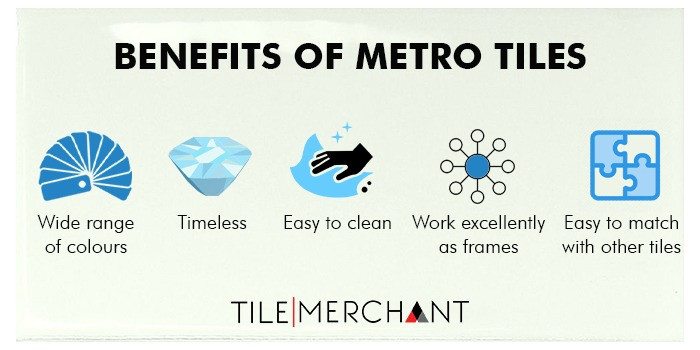
The 6 Key Benefits of Installing Subway Tiles in Your Irish Home
Architects and interior stylists continue to specify metro tiles because they solve practical room layout challenges while maintaining budget flexibility. Here are six core advantages of using them in your home:
1. Expansive Colour and Finish Variations
Modern manufacturing extends far beyond traditional gloss white. Options include rich botanical greens, deep navy, neutral terracottas, and metallic lusters. Textured finishes like our Nara gloss series and earth-toned glaze collections allow homeowners to create customized feature walls.
2. Proven Archival Longevity
Unlike transient interior design trends, metro tile layouts have maintained architectural relevance for over 120 years. Installing classic rectangular wall tiles ensures your bathroom or kitchen renovation remains visually timeless.
3. Low-Porosity Hygiene and Easy Maintenance
Ceramic and porcelain metro tiles feature non-porous glazes that resist water absorption, cooking grease, and soap scum. A simple wipe with a warm microfiber cloth keeps the surface pristine without harsh chemicals.
4. Architectural Framing Potential
Subway tiles act as clean background grids that highlight surrounding fixtures. Using block-coloured tiles creates sharp visual borders around freestanding baths, open shelving, Range cookers, and bathroom vanity mirrors.
5. Versatile Grout Contrast Options
Grout choice completely alters the finished aesthetic. White grout paired with white tiles produces a seamless, space-expanding surface, whereas dark grey or charcoal grout emphasizes geometric tile arrangements and hides everyday wear.
6. High Compatibility with Bold Accent Tiles
Due to their simple geometric proportions, metro tiles harmonize effortlessly with decorative floor surfaces. They balance patterned encaustic floor tiles, marble slabs, and wood-effect planks without causing visual clutter.
See below more details:
Benefit #1: There are a wide range of subway tile colours to choose from
Contrary to popular belief, metro tiles are no longer only available in uniform white, like they were in days of old. Today, you can buy subway tiles in a huge variety of colours. Browse the full subway tiles range here.
Benefit #2: Metro tiles offer a timelessly chic aesthetic
Unlike the various tile fads which burn brightly for a year before looking ugly and outdated, metro tiles have been popular in homes around the world for over 100 years. In short, their unique stylishness isn’t going anywhere anytime soon.
Benefit #3: Subway tiles are both easy to clean and maintain
Most ceramic and porcelain tiles tend to be easy to clean, but metro tiles are the easiest. Thanks to their bevelled shape, a simple wipe with a damp cloth is all most subway tiles take to keep them fresh and clean all year round. As such, subway tiles are truly ideal for the easily-dirtied areas of the house, such as your kitchen and bathroom.
Benefit #4: There are plenty of different grouts to choose from
Some people understandably worry about the amount of grouting which these smaller, more slender tiles require. They wonder whether this could impact the overall cleanliness and aesthetic of subway tile designs. Thankfully, however, with many different colours of grout to choose from, and plenty with antifungal properties built into them, there’s no need to compromise on style or hygiene when it comes to subway tiles.
Benefit #5: Subway tiles work excellently as frames
Subway tiles work brilliantly as ‘frames’ for your home design. Simple, block-coloured tiles arranged in a pleasing way can serve to draw the eye to aspects of your home you wish to highlight, rather than the tiles being the center of attention themselves. This can work brilliantly in the bathroom or kitchen, to frame appliances and furnishings like:
- The bath
- The shower
- The cooker and hob
- The fridge-freezer
- Your countertops
- Storage cupboards
- Mirrors and more
Benefit #6: It's easy to match subway tiles with other tiles
Metro tiles serve as the perfect companion to bolder tiles and tile designs because they tend to be quite subtle in tone and hue. This allows you to experiment and add a distinct dynamism to your home, without worrying about noise.

6 Most Popular Ways to Lay Subway Tiles
One of the greatest advantages to installing Irish metro tiles it home is the variety and versatility of ways you can lay these tiles. From "Classic Subway" to "Herringbone" and more. Let's take a look at the best ways to lay subway tile!
Style #1 - Horizontal Brick Pattern: The Classic Subway Tile Layout
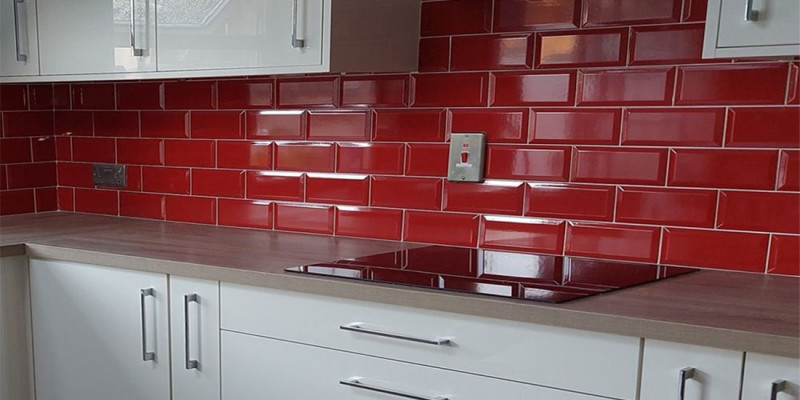
The classic. Metro tiles are laid horizontally in long lines, each subsequent line offset by a half tile width. Thus creating a traditional ‘brick-effect' design. You can use the classic subway layout practically anywhere since it’s such a timeless design.
The Classic Subway Tile pattern is especially useful in situations where you plan to cover large areas with metro tiles. It can also help to make smaller rooms look a taller and wider than they actually are.
The classic subway pattern for metro tiles is especially attractive when coloured tiles are paired with a grout of a different colour or tone. This allows you to embellish your subway style and draw attention to the alternating layout.
Style #2 - Horizontal Stacked Pattern: Perfect with wooden floors
The Horizontal Stacked Pattern offers an alternative to the classic brick layout. Metro tiles are laid one atop the other in a grid, with an emphasis on the horizontal axis.
A mite less subtle than the ‘Brick’ or classic ‘Subway’ pattern, you can use this style to emphasise the crisp angles and modern minimalism of your home. We think the Horizontal Stacked Pattern looks especially good when combined with the swirling lines of natural wood.
Style #3 - Herringbone Pattern: Something a bit different!
Herringbone subway tiles are undoubtedly the most complex pattern for any tile installation. As such, laying subway tiles herringbone should be left to professional tilers.
That said, Herringbone Subway Tiles look all the more magnificent for the extra work. The herringbone style is achieved by laying metro tiles at right angles to each other to create a repeating zig-zag pattern (which resembles herring bones).
This style might be a little too loud for an entire room. Nevertheless, a herringbone backsplash in a kitchen, or herringbone subway tiles as a shower backdrop, can add a powerful sense of movement and energy to spaces which are otherwise synonymous with work and chore.
Style #4 - Vertical Brick Pattern (Vertical 3⁄4): Pushing up the ceilings
Turn the classic Subway Tiles pattern on its head, and what do you have? The vertical brick! Tall vertical columns of metro tiles are offset by a half-tile height to give them a rotated brick aesthetic.
This pattern is quite unique, and may not be the favourite of many, but for those brave enough it can pay off dividends.
Use the Vertical Brick Pattern to frame your bathroom vanity or build a gorgeous kitchen backsplash. Better still, this vertical brick pattern pushes the floor away from the ceiling. In doing so, it opens up any space to make it feel bigger and brighter.
Style #5 - Vertical Stacked Pattern: Best for small bathrooms
The 'Vertical Stack' is arguably the most unusual pattern for subway tiles. To lay subway tiles in a vertical stack, install them in uniform vertical rows to create a strict grid pattern. Though strange, this pattern can actually have some truly impressive applications. From heightening small, squat bathrooms, to accenting the modern minimalism of a sharp, angular kitchen, the ‘vertical stack’ is unusual without being faddish.
Style #6 - Diagonal Brick Pattern (Vertical ½): Dynamic flow and texture
Like the herringbone metro tile pattern, laying your subway tiles diagonally takes a lot of work, and a lot of very precise cutting. This one is best left to professionals unless you’ve heaps of DIY experience! Like its herringbone companion, the diagonal brick design energises spaces like nothing else. This makes the Diagonal Brick Subway Tile pattern perfect for dull, lifeless, small spaces you're unsure what to do with.
This pattern achieves its full aesthetic potential when created with a duality of colour. Choose two or more different coloured subway tiles to highlight a feature wall, for example. Doing so draws the eyes dynamically across the entire expanse of the tiled area. You'll be the envy of all your neighbours!
How to Lay Metro Tiles: Step-by-Step Installation Basics
Installing metro tiles requires accurate surface preparation, precise layout planning, and the right adhesive application. Follow this core procedure for a professional wall installation:
Our Top Tips for How to Clean Subway Tiles and Maintain Metro Tiles
Maintaining the polished finish of metro tiles and protecting grout joints requires minimal effort when using correct cleaning methods:
- Daily Surface Cleaning: Wipe glazed tile surfaces with a microfiber cloth and warm water combined with a pH-neutral cleaner. Avoid abrasive scouring pads on high-gloss glazes.
- Grout Line Protection: Apply a penetrating grout sealer 48 hours after installation. Sealing prevents moisture absorption, grease buildup, and mold development in kitchen splash zones.
- Limescale Removal in Bathrooms: Remove water spots and limescale buildup in showers using a 1:1 solution of white vinegar and water. Rinse thoroughly with clean water afterward.
- Joint Mold Prevention: In high-humidity areas, ensure adequate ventilation via extractor fans and specify anti-fungal flexible grouts during installation.
Here at Tile Merchant, we’re often asked two things about our gorgeous range of subway tiles. 1) Are metro tiles really that easy to clean? And, 2) Is the amount of grout required for subway tiles an issue when it comes to cleaning? Let's find out!
Are metro tiles easy to clean?
Yes! In fact, their inherent cleanliness was the reason they were designed in the first place! Back in 1904, when the New York subway first opened, the designers wanted a tile which could be easily maintained and kept glossy and attractive over many years, so as to make people unfamiliar with underground travel feel more comfortable with the idea. Wipe your metro tiles regularly with a hot, damp cloth, and they’ll be perfect for decades to come.
Is the amount of grout required for subway tiles an issue?
No! In fact, by carefully choosing the right grout to accompany your subway tiles, not only will they keep as clean as any other, larger tile, they’ll look better than most, at the same time.
These days, there are plenty of grouting alternatives with inherent antifungal properties. Choose one of these, and keep the tiles and grout clean with a hot, damp cloth (as above), and you’ll experience no trouble with mould or fungus, even in the dampest, most humid areas of your house (such as the kitchen backsplash, bathroom sink, shower or bath).
There are even a range of colours (in addition to the traditional black or white) with which you can grout your subway tiles.
Frequently Asked Questions: Subway & Metro Tile Design
1. Are subway tiles and metro tiles the exact same thing?
Yes, the terms subway tiles and metro tiles refer to the same rectangular wall tile format. The name subway tile originated in North America following the opening of the New York subway system, whereas metro tile is the common terminology across Ireland and the UK, inspired by European underground rail systems.
2. What is the most popular subway tile pattern for a kitchen backsplash?
The horizontal running bond (classic staggered brick) remains the most popular layout for a subway tiles kitchen backsplash. However, herringbone and vertical straight stack layouts have grown significantly in popularity for contemporary kitchen renovations.
3. Do vertical metro tiles really make a ceiling look higher?
Yes, installing vertical metro tiles directs the viewer's eye upward, creating a continuous vertical line that gives the optical illusion of greater ceiling height. This layout is especially effective in small bathrooms, wet rooms, and compact kitchens.
4. What size tile spacers should I use when laying metro tiles?
A 2mm tile spacer is recommended for standard metro tile installations. Using a 2mm spacer creates crisp grout lines that highlight geometric patterns without allowing water or dirt to accumulate in oversized joints.
5. Can you use subway tiles on bathroom and kitchen floors?
Standard ceramic subway tiles are designed specifically for wall applications and should not be used on floors due to their lower breaking strength and slippery glazes. However, porcelain rectangular tiles with appropriate slip resistance ratings can be installed on floor surfaces.
6. How do I choose the right grout color for my subway tiles?
Choose a matching grout color (such as white grout on white tiles) for a seamless, spacious look. Select a contrasting grout color (such as dark grey or black grout on white tiles) to emphasize pattern geometry, outline individual tiles, and hide everyday wear in high-use areas.
7. How many extra subway tiles should I order for layout cuts and waste?
Order 10% extra tile volume for standard horizontal or vertical layouts to account for end-of-wall cuts and minor breakage. For complex patterns like herringbone or diagonal brick layouts, order 15% extra material due to the increased volume of angled edge cuts.
8. Are metro tiles suitable for wet shower enclosures?
Yes, glazed ceramic and porcelain metro tiles are water-resistant and ideal for wet shower enclosures. Ensure the wall substrate is fully waterproofed with a tanking membrane before tiling and seal grout lines to prevent moisture ingress behind the tiles.
Conclusion
At Tile Merchant, we’re always happy to assist you on your hunt for the perfect colour, style and application of tile, from grout to design. Browse our extensive range of metro tiles today and find out for yourself!
Alternatively, pop into one of our three Irish showrooms, browse our online shop for tiles, or contact us via our website. And don't forget, we offer a Free Cut Sample Service, too, so you can try before you buy. Happy hunting!
Why Tile Merchant?
We offer extremely competitive pricing on our entire range of tiles and likewise. We stock a huge range of wall and floor tiles and our prices are competitive for retail and trade. Our stock is widely available in our tile stores in Ireland which are open 7 days a week.
Alternatively, if you’d prefer to shop our tiles online, we can supply you with samples delivered for free.

Article written by Calum
Cal Bannerman is a freelance writer, editor, podcaster and voice actor from the Scottish Borders. He runs the storytelling podcast "Stories from the Hearth" and lives in a wee Glasgow Flat with his partner and their cat".