- Introduction
- Why Regular Bathroom Tile Cleaning Matters
- Understanding Different Tile Types And Their Cleaning Needs
- Materials and Products You’ll Need
- Step-By-Step Guide: How To Clean Bathroom Tiles
- Simple Trick For Cleaning Bathroom Tiles
- Final Thoughts
- Ready To See It For Yourself?
- Why Choose Tile Merchant?
Introduction
Keeping your bathroom tiles spotless isn’t just about making your bathroom look good, it’s about protecting your home from mould, grime and long-term damage.
If you’ve ever stepped into your bathroom and noticed dull tiles or stubborn stains, you’re not alone. Many homeowners ask the same question: how to clean bathroom tiles effectively without spending hours scrubbing?
This guide gives you practical tips to make cleaning bathroom tiles quick, easy and highly effective.
Why Regular Bathroom Tile Cleaning Matters
Think of bathroom tiles as the silent guardians of your home’s hygiene. They endure soap scum, hard water stains and moisture daily. Left unchecked, this can cause discolouration, mildew and even damage to the grout.
How often should you clean bathroom tiles?
- Weekly light cleaning: A quick wipe-down to remove soap residue and surface grime.
- Monthly deep clean: A more detailed clean using a professional bathroom tile cleaner to reach grout lines and corners.
Staying consistent prevents stubborn build-up and keeps your bathroom feeling fresh.
Understanding Different Tile Types And Their Cleaning Needs
Not all tiles are created equal. Choosing the right method depends on what your tiles are made of. If you’re planning a renovation or just curious about your current tiles, here are some guides on choosing bathroom tiles and types of tiles.
Ceramic Tiles
Bathroom ceramic tiles are widely used and forgiving when it comes to cleaning. A gentle bathroom tile cleaner with warm water usually does the trick. Learn more about ceramic tiles.
Porcelain Tiles
Bathroom porcelain tiles are denser and less porous, making them resistant to moisture. A mild detergent works best, and harsh chemicals are rarely needed.
Natural Stone Tiles
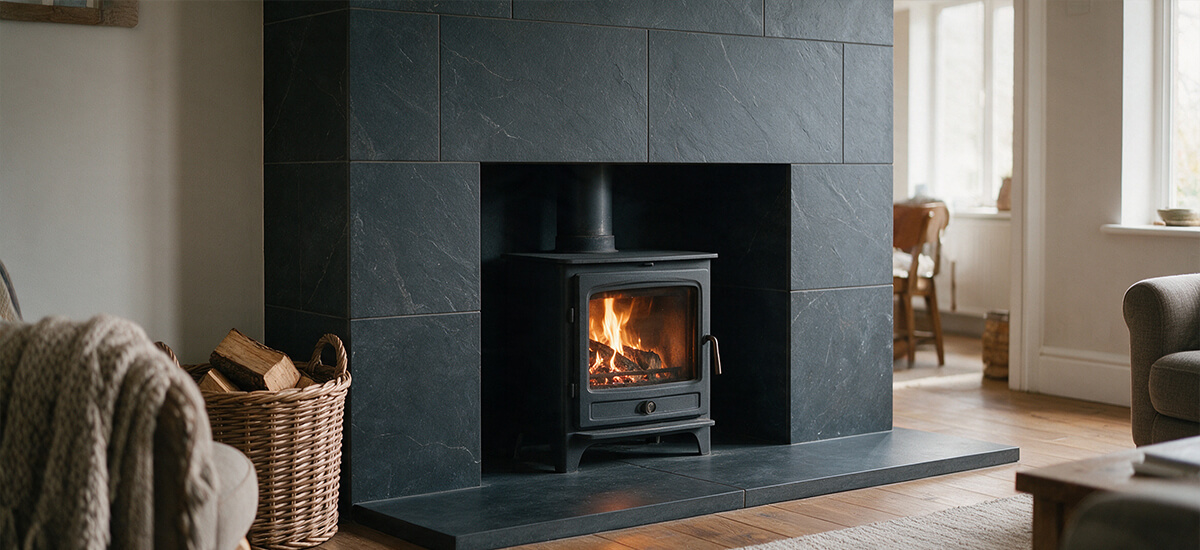
Marble, slate and limestone need special attention. Avoid acidic cleaners as they can etch the surface. Use pH-neutral solutions designed for stone.
Do you live in Ireland? Visit a Tile Merchant store today and explore our stunning range of bathroom tiles. Whether you're looking for porcelain tiles, ceramic tiles or wall panels, we have it all!
How to Clean Bathroom Tiles Naturally
Natural cleaning works well on ceramic and porcelain but should be avoided on natural stone — vinegar and lemon are acidic and will etch marble, limestone, and travertine over time. For stone, use the pH-neutral solutions covered above instead.
Vinegar solution (general tile cleaning)
Mix equal parts white vinegar and warm water in a spray bottle. Apply to ceramic or porcelain tiles, leave for 10–15 minutes to break down soap scum and light limescale, then scrub with a soft-bristle brush and rinse thoroughly. Don't use on grout that's been recently sealed, as vinegar can wear down grout sealant over repeated use.
Baking soda paste (grout lines)
Mix baking soda with water in a roughly 3:1 ratio to form a thick paste. Apply directly to grout lines with an old toothbrush, leave for 15 minutes, then scrub and rinse. This is the most effective natural option for grout that's greyed or yellowed rather than mouldy.
Baking soda and vinegar combined (stubborn grout mould)
Apply the baking soda paste first, then spray vinegar directly on top — it will foam. Leave for 10 minutes, scrub, and rinse. This combination lifts mild mould and mildew from grout without bleach.
Lemon juice (limescale on glass and chrome)
Undiluted lemon juice applied directly to limescale on shower glass or chrome fittings, left for 5 minutes and wiped with a microfibre cloth, cuts through mineral deposits without scratching the surface. Rinse well afterwards, since citric acid left to dry can leave its own residue.
Steam cleaning
A handheld steam cleaner lifts soap scum and light grime from both tiles and grout without any chemicals or scrubbing, and is a good option for households wanting to avoid vinegar's smell or baking soda's mess. It's less effective than the methods above on established limescale or mould.
Materials and Products You’ll Need
Before diving into a deep cleaning of bathroom tiles, gather the right tools. This makes the process smoother and more effective.
- Rubber gloves to protect your hands
- Soft-bristle brush or toothbrush (for grout lines)
- Sponge or microfibre cloth
- Bucket of warm water
- Mild bathroom tile cleaner (ie.Stontex Multi Clean)
- Vinegar or baking soda (for eco-friendly cleaning)
Step-By-Step Guide: How To Clean Bathroom Tiles
Here’s a simple yet powerful routine you can follow:
Step 1: Preparation
Remove all toiletries and mats. Sweep or vacuum the floor to get rid of loose dust and hair.
Step 2: Apply Cleaner
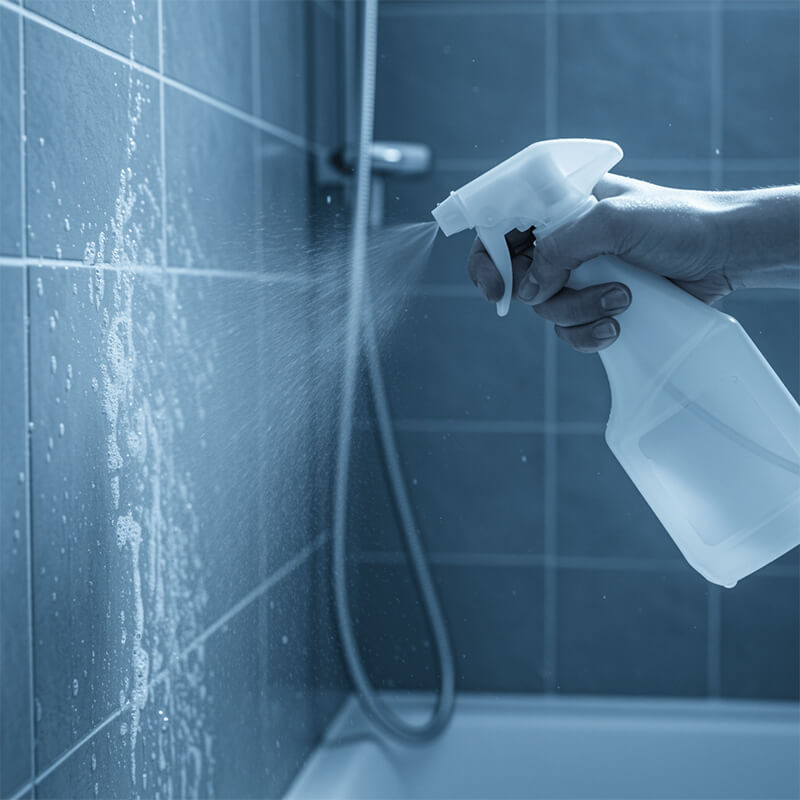
Spray your chosen bathroom tile cleaner evenly across the tiles. For those wondering specifically how to clean shower tiles, this step is crucial because soap scum tends to build up here more than elsewhere.
Step 3: Scrub Gently
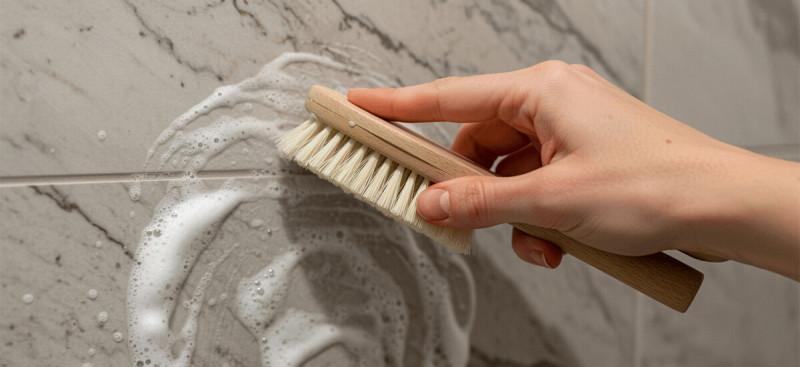
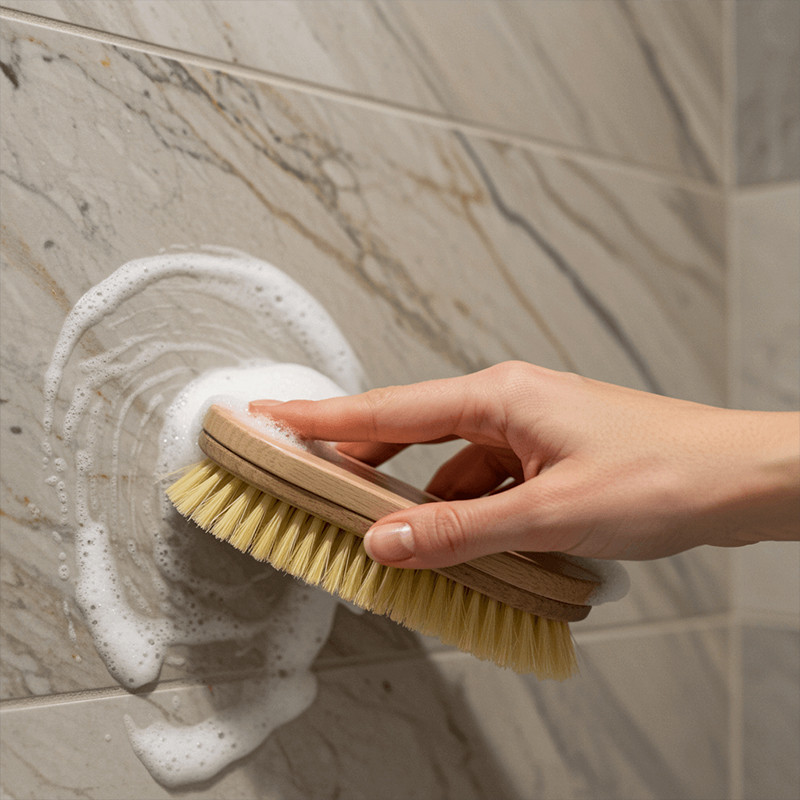
Use your soft-bristle brush or sponge, focusing on grout lines and edges where dirt accumulates. For heavy dirt, we suggest using Stontex Heavy Duty Grime Remover.
Step 4: Rinse Thoroughly
Use clean water to rinse away the loosened dirt and cleaner residue.
Step 5: Dry and Shine
Wipe with a dry microfibre cloth to avoid water spots and streaks.
Repeat these steps at least once a month for a sparkling, hygienic bathroom.
How to Clean Different Bathroom Tile Surfaces
How to clean bathroom floor tiles
Floor tiles need attention to grout lines, since dirt and hair collect there more than on the tile surface itself. Sweep or vacuum before wet cleaning, then mop with a bathroom tile cleaner diluted per the label, working in sections rather than the whole floor at once so the solution doesn't dry before you can rinse it.
How to clean bathroom wall tiles
Wall tiles rarely get as dirty as floors, but streaking is the main issue, especially near mirrors and around taps. Use a microfibre cloth rather than a sponge for the final wipe, since sponges tend to leave more residue behind, and dry with a second clean cloth to avoid water spots.
How to clean shower tiles
Shower tiles need the most frequent attention because soap scum and limescale build up daily rather than weekly. A quick squeegee after each shower prevents most of the build-up in the first place; for the deeper weekly or monthly clean, follow the soap scum and limescale steps above, paying particular attention to grout at the base of the shower where water pools.
Simple Trick For Cleaning Bathroom Tiles
Picture this: Laura, a busy working mum, used to dread her weekend bathroom clean-up. Her tiles looked dull, and the shower area had a constant layer of film no matter how hard she scrubbed.
Then she discovered the right bathroom tile cleaner and followed the very steps you’re reading now.
Within a month, her bathroom not only looked brand new but stayed cleaner for longer. Her friends even asked if she had replaced her tiles. Laura says: "It’s not about scrubbing harder. It’s about cleaning smarter."
You can be like Laura. The secret lies in using the right techniques and cleaning products tailored to your tiles.
How to Remove Bathroom Tile Stains
Different stains need different treatment. Using a general-purpose cleaner on the wrong stain type is the most common reason people find themselves scrubbing without results.
Soap scum
The white or grey film on shower tiles is a combination of soap residue and hard water minerals. A dedicated tile cleaner or the vinegar solution above, left to dwell for 10 minutes before scrubbing, will lift most soap scum without needing to scrub harder.
Hard water and limescale stains
Limescale shows as a chalky white build-up, most common in hard water areas. Undiluted white vinegar or lemon juice, left for 15 minutes before scrubbing, breaks down the mineral deposit. For heavy limescale, a dedicated limescale remover will work faster than natural options.
Grout mould and mildew
Black or pink discolouration in grout is mould or mildew, not just dirt, and needs a product that kills the spores rather than just lifting surface grime. Stontex Heavy Duty Grime Remover is formulated for this; apply, leave for the time stated on the product, then scrub with a stiff grout brush and rinse.
Rust stains
Rust marks, usually from a metal can or razor left on the tile, need a rust-specific remover rather than a general tile cleaner — standard cleaners won't shift oxidised iron. [CONFIRM: do you stock a specific rust-stain remover to link here, or should this point to a general strong-cleaner recommendation?]
Scuff marks
Black scuff marks from shoes or moved furniture usually respond to a scrub cleaner rather than a spray-and-wipe product. Tec7 Scrub Cleaner is designed for this kind of surface-level residue that plain water and a cloth won't remove.
FAQs: Cleaning Bathroom Tiles
What's the best way to clean bathroom tiles?
Sweep or vacuum loose dirt first, apply a bathroom tile cleaner and leave it to dwell for a few minutes, scrub grout lines with a soft-bristle brush, then rinse and dry with a microfibre cloth to avoid streaking.
How do I clean bathroom tiles naturally?
A vinegar and water solution works on ceramic and porcelain for general grime, baking soda paste works best on grout, and lemon juice cuts through limescale on glass and chrome. Avoid vinegar and lemon on natural stone, as the acid can etch the surface.
What should I clean bathroom tiles with?
A mild bathroom tile cleaner suits ceramic and porcelain day-to-day. Natural stone needs a pH-neutral stone cleaner specifically, since standard tile cleaners and natural acidic solutions can both damage it.
How often should bathroom tiles be cleaned?
A light wipe-down weekly to remove soap residue, plus a more thorough clean monthly that reaches grout lines and corners, is enough to prevent stubborn build-up on most bathroom tiles.
How do I deep clean bathroom tiles?
Deep cleaning means treating grout separately from the tile surface: apply a grout-specific cleaner or baking soda paste, leave it to dwell longer than a standard clean (15 minutes or more), scrub with a stiff brush, then rinse thoroughly and dry.
How do I clean bathroom tile stains?
Identify the stain type first. Soap scum and limescale respond to vinegar or a dedicated tile cleaner; grout mould needs a mould-specific product; rust and scuff marks need a targeted remover rather than a general cleaner.
Can I use vinegar to clean all bathroom tiles?
No. Vinegar is safe on ceramic and porcelain but will etch natural stone tiles like marble, limestone, and travertine over repeated use. Use a pH-neutral cleaner on stone instead.
Why do my bathroom tiles look dull even after cleaning?
Dullness is usually a residue problem rather than a dirt problem — cleaning product left on the surface and allowed to dry can leave a hazy film. Rinsing thoroughly with clean water before drying, rather than wiping the cleaner straight into a dry cloth, usually resolves it.
Final Thoughts
Learning how to clean bathroom tiles doesn’t have to feel like a chore. With the right routine, your tiles will stay fresh, hygienic and beautiful for years. Regular maintenance saves money, prevents damage and makes every bathroom visit feel like a fresh start.
Whether you have ceramic, porcelain or natural stone, knowing how to clean shower tiles and walls effectively will give your bathroom that spa-like finish you’ve always wanted.
Ready to clean your bathroom? Start your new cleaning routine today, and make your tiles shine like Laura’s.
Ready To See It For Yourself?
If you’re planning a bathroom renovation (no matter the project size), visit a local tile showroom to see options in person and talk with experts who can guide you based on your layout and lifestyle.
Have more questions about SPC Flooring? Send us an email to [email protected] or ? WHATSAPP us , we’re always happy to help you build your dream bathroom, one tile at a time.
Why Choose Tile Merchant?
We offer extremely competitive pricing on our entire range of tiles and likewise. We stock a huge range of wall and floor tiles, and our prices are competitive for retail and trade. Our stock is widely available in our tile stores in Ireland, which are open 7 days a week.
Alternatively, if you’d prefer to shop our tiles online, we can supply you with free samples delivered for free.

Article written by Tile Merchant