
Introduction
Choosing the best type of bathroom flooring for a makeover or full interior redesign comes down to balancing water resistance, slip safety, maintenance, and long-term budget. Bathrooms, wet rooms, shower en-suites, and ground-floor toilets present unique moisture and humidity challenges. Installing the wrong material leads to warped subfloors, stubborn mold, and costly replacements.
Whether you want classic porcelain tiles, modern luxury vinyl plank (LVT or SPC), or budget-conscious laminate, this guide breaks down the performance characteristics of every major bathroom flooring option.
The bathroom flooring you choose for your home improvement project should not only match your budget and style, but be practical and safe for all the family, too.
6 Things to Look For in the Best Bathroom Flooring
Before we take a look at the 4 best types of bathroom flooring, it’s important to talk about what you should be looking for when browsing.
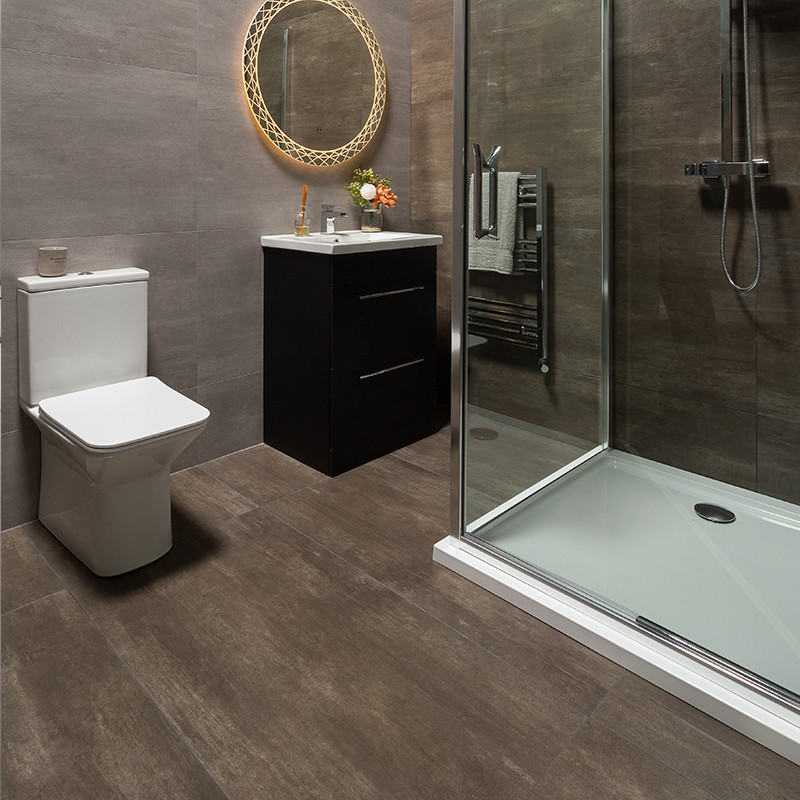
Before selecting a material, evaluate options against these six technical and practical criteria:
- 1. Waterproof Performance: Bathroom floors face standing water, condensation, and high humidity. True 100% waterproof materials like porcelain, LVT, and SPC vinyl prevent water from seeping into subfloors and causing structural decay.
- 2. Slip Resistance: Wet smooth surfaces present immediate fall risks. Look for tiles rated R10 or R11 for domestic bathrooms, or textured vinyl surfaces with slip-resistant wear layers.
- 3. Stain and Chemical Resistance: Hair dyes, bath oils, soap scum, and household cleaners can permanently mark porous floors. Non-porous surfaces like glazed porcelain withstand chemical exposure and wipe clean without staining.
- 4. Maintenance and Sealing Requirements: Materials differ in required upkeep. Glazed porcelain and SPC vinyl require zero ongoing sealing, whereas natural stone, cork, or real timber demand regular topical sealing every 1–2 years to block moisture.
- 5. DIY Installation Complexity: Click-lock vinyl planks and laminate are straightforward DIY projects. Porcelain tiles require precise mortar beds, tile cutters, diamond blades, and professional grouting.
- 6. Total Material and Life-Cycle Cost: Lower initial material costs (such as budget laminate) may carry higher long-term maintenance or shorter lifespans. Investing in porcelain or high-grade LVT yields a longer life cycle with minimal upkeep.
Durability
As with any renovation material, you want a bathroom flooring which will stand the test of time.
Elsewhere in the house, durability can be less of a primary concern, but with humid, damp, dirty, and heavy-foot-traffic areas like your bathroom, it is key.
Look for warranties on bathroom flooring options, as well as resistance ratings against things like damp, water, mould, and mildew. Also keep an eye out for famously sturdy materials like porcelain.
Waterproofness and slip resistance
Naturally, whatever bathroom flooring option you settle for must be highly resistant to water, if not 100% waterproof.
This is to ensure that it doesn’t warp or become damaged by the water in your bathroom, but is also to stop pockets of damp forming around the room or worse, the foundation beneath the floor from becoming damaged and unstable.
Similarly, slip-resistance is key, since you’re liable to be moving around your bathroom whilst you or the floor is still wet. Porcelain tiles, for example, are naturally porous and so slip-resistant, whilst luxury vinyl flooring is as well.
Protect yourself and your family from unnecessary falls by looking for bathroom flooring options with slip resistance.
Resistance to stains
This property may not seem quite as pressingly important as the first two, but it is still worth considering.
Keeping bathrooms clean is the bane of all of our existences, and so it’s worth taking the time to find a flooring solution which can doesn’t stain easily and is a breeze to clean.
Some materials are better for this than others. For example, porcelain won’t stain and is easy to keep clean, whilst laminate can stain fairly easily if spills are not mopped up promptly.
Maintenance requirements
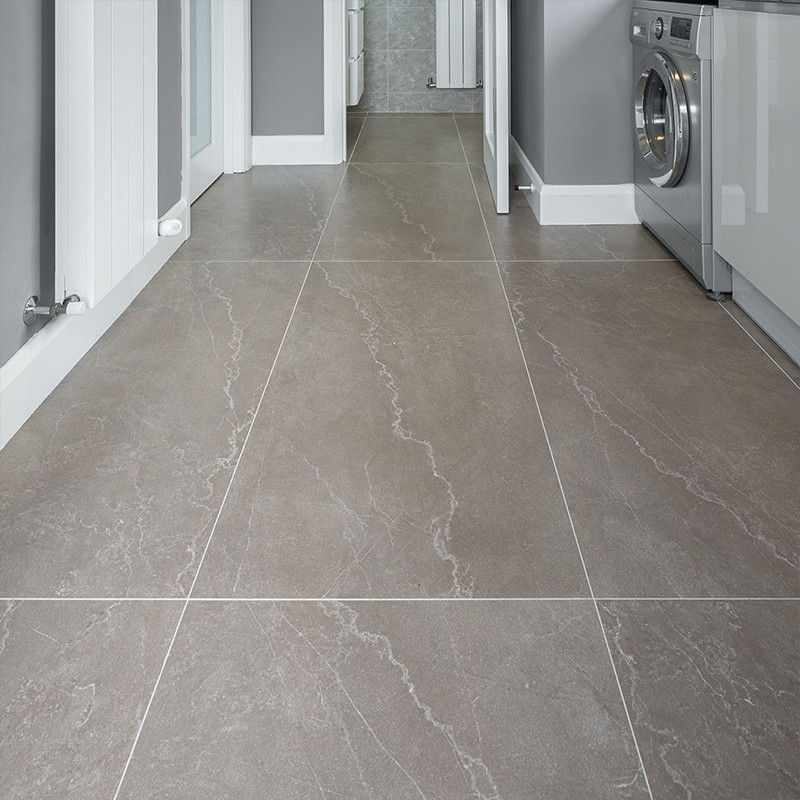
Different types of bathroom floors have different maintenance requirements, from sealing or not, to how you keep them clean and how often you need to clean them.
Depending on the level of effort you’re comfortable putting into your new bathroom design, you may want to prioritize low-maintenance bathroom tiles like those made of porcelain, or high-quality vinyl tiling which doesn’t require sealing.
Ease of installation
If you’re doing the bathroom renovation yourself, then it’s well worth finding a bathroom floor which you have the chops to install.
Some types of bathroom flooring are much easier to install than others, such as laminate and LVT, whereas tiles for bathrooms can be much trickier, especially where they require precision cutting.
Cost
Finally, as with any home renovation, you should also consider the cost of various bathroom floor types.
Some are considerably more affordable than others, and whilst affordability is never a sign of poor quality, at Tile Merchant, cheaper bathroom floors may require additional maintenance to ensure their effectiveness in damp and humid rooms.
4 What Are the Best Tiles for a Bathroom Floor?
When asking what are the best tiles for a bathroom floor, porcelain ranks as the industry standard. Porcelain tiles are made from dense clay fired at extreme temperatures, resulting in a non-porous structure with a water absorption rate under 0.5%.
Here is how porcelain compares to other traditional wall and floor tile materials:
- Porcelain vs. Ceramic Tiles: Ceramic tiles are lighter and easier to cut, but their softer core absorbs more moisture than porcelain. If ceramic glazing chips, water enters the body of the tile. Glazed porcelain is hard-wearing through its full thickness and far less likely to chip under heavy drop impacts.
- Porcelain vs. Natural Stone: Marble, limestone, and slate offer unique natural textures, but they are naturally porous. Natural stone requires immediate sealing upon installation and regular resealing to avoid acid etching and water staining. Porcelain replicates marble and limestone patterns without the maintenance requirements.
- Large-Format Porcelain Advantage: Using large-format tiles (such as 60x60cm, 60x120cm, or 80x80cm) reduces grout lines significantly. Fewer grout lines mean fewer places for soap scum and mold to gather, creating a hygienic surface that makes small bathrooms feel visually expansive.
4 Different Types of Bathroom Flooring to Choose From
Take inspiration for your bathroom flooring ideas by diving into this list of the top 4 best types of bathroom flooring, handpicked by the knowledgeable sales team here at Tile Merchant. All of the materials listed below are bathroom-friendly and can spruce up any toilet or shower room, regardless of décor, taste, shape, or size.
Large-format porcelain tiles
Undoubtedly one of our most popular bathroom makeover materials to work with is porcelain.
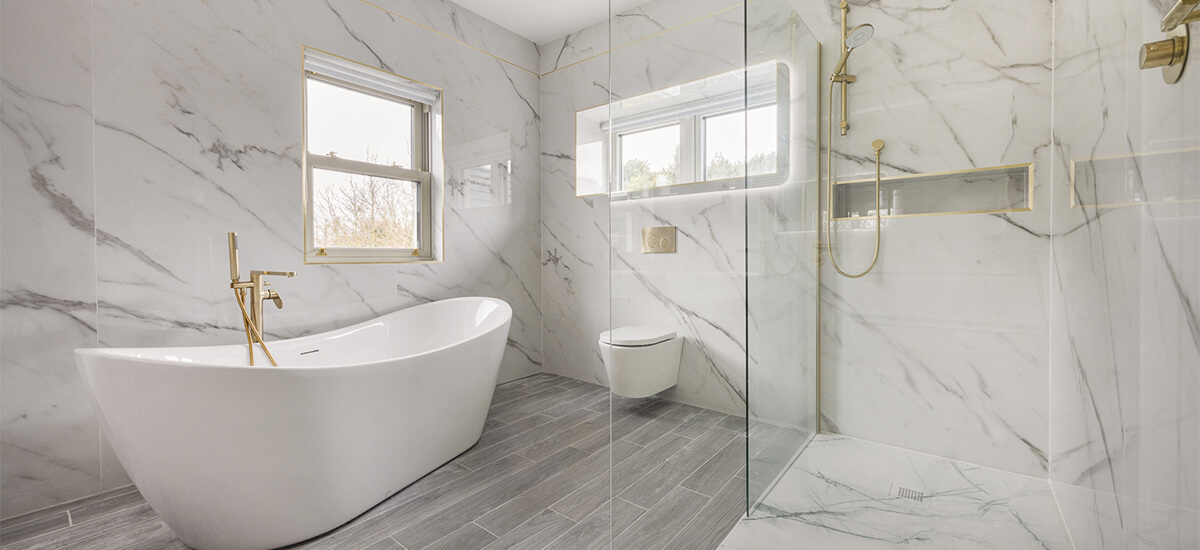
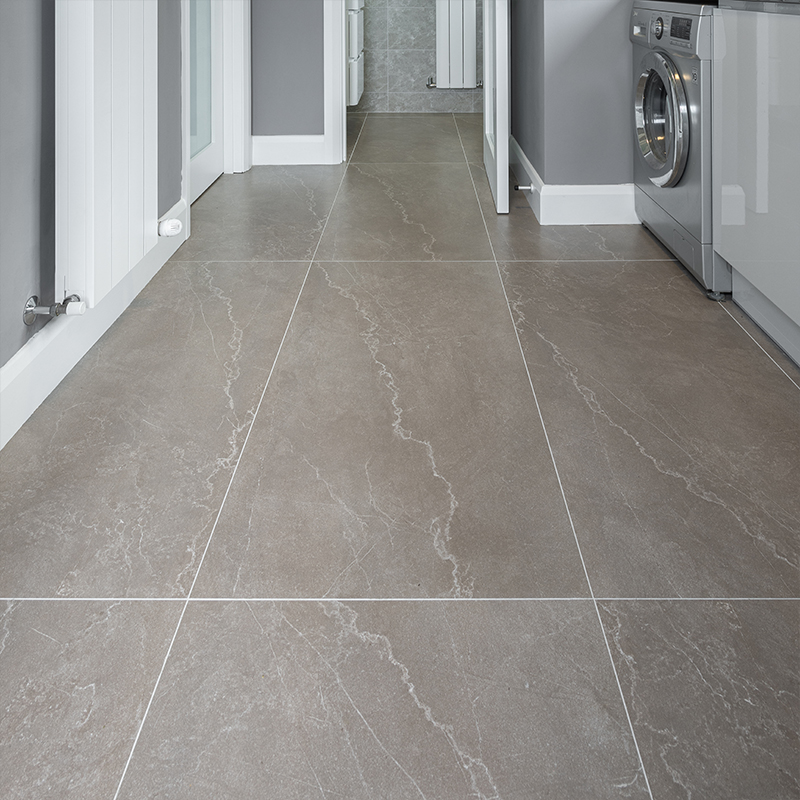
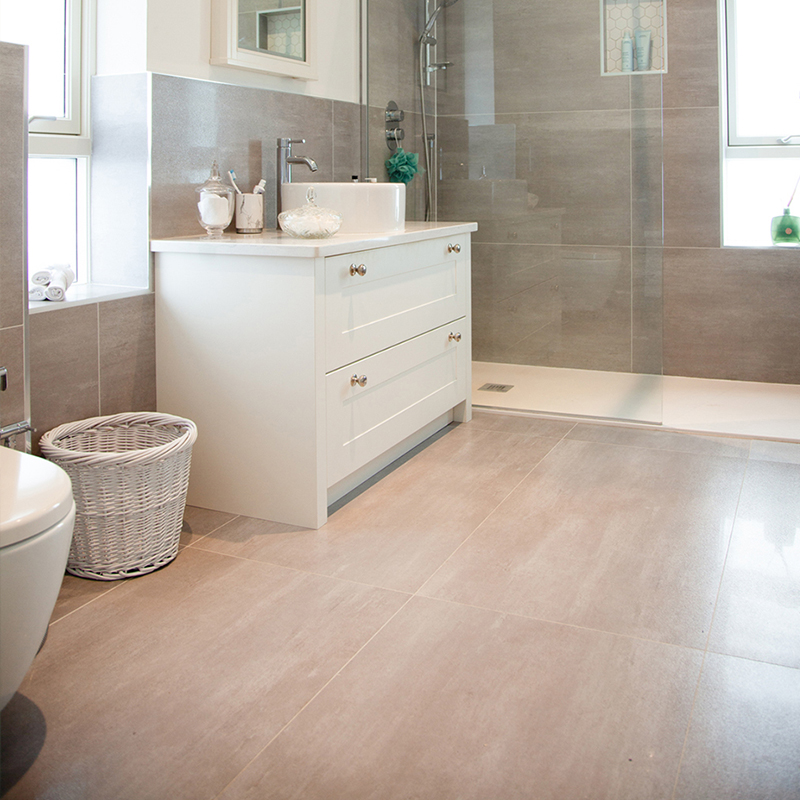
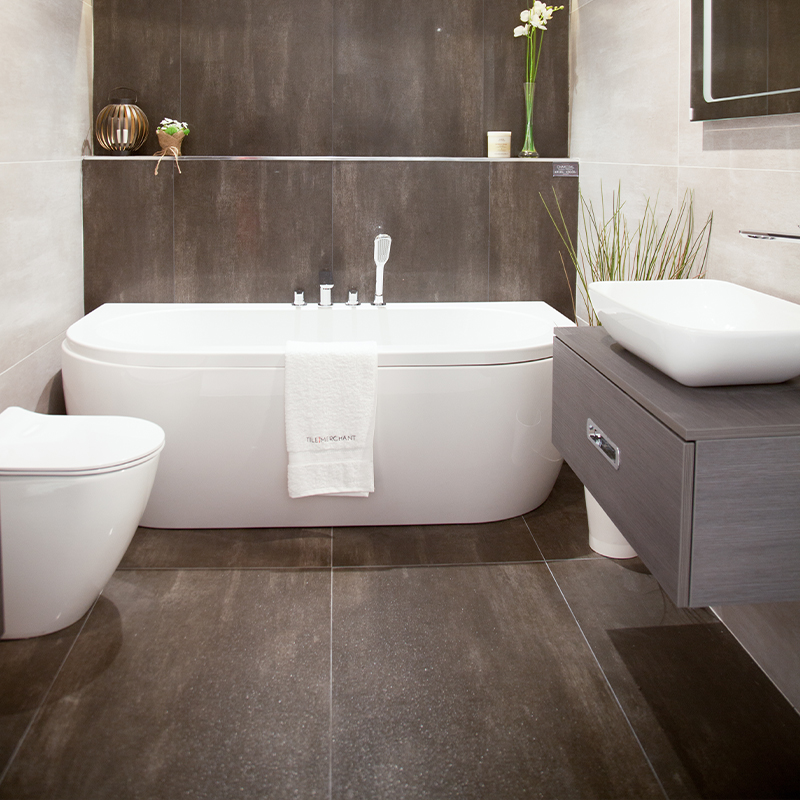
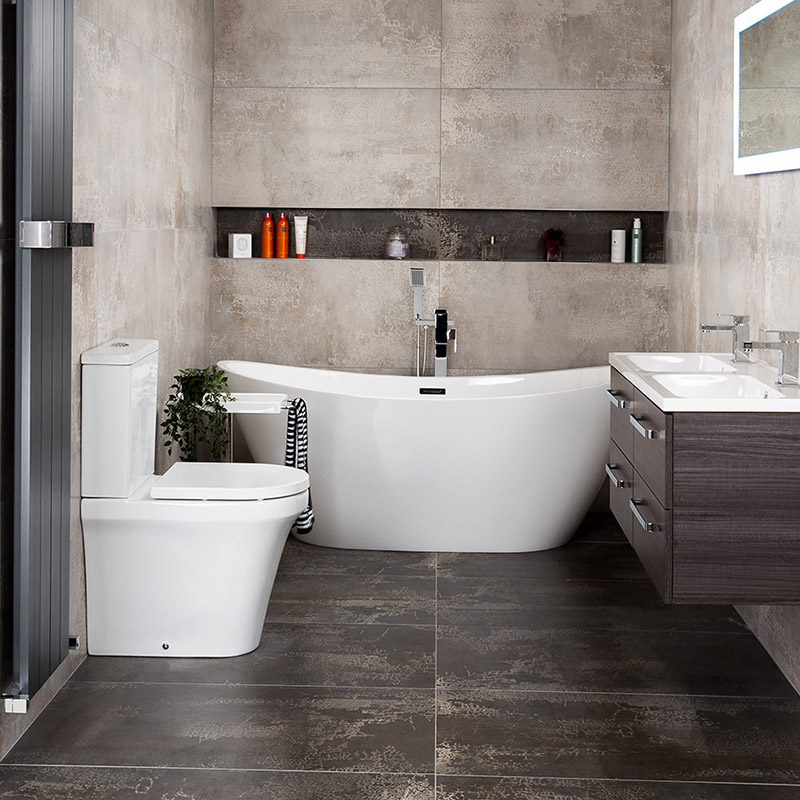
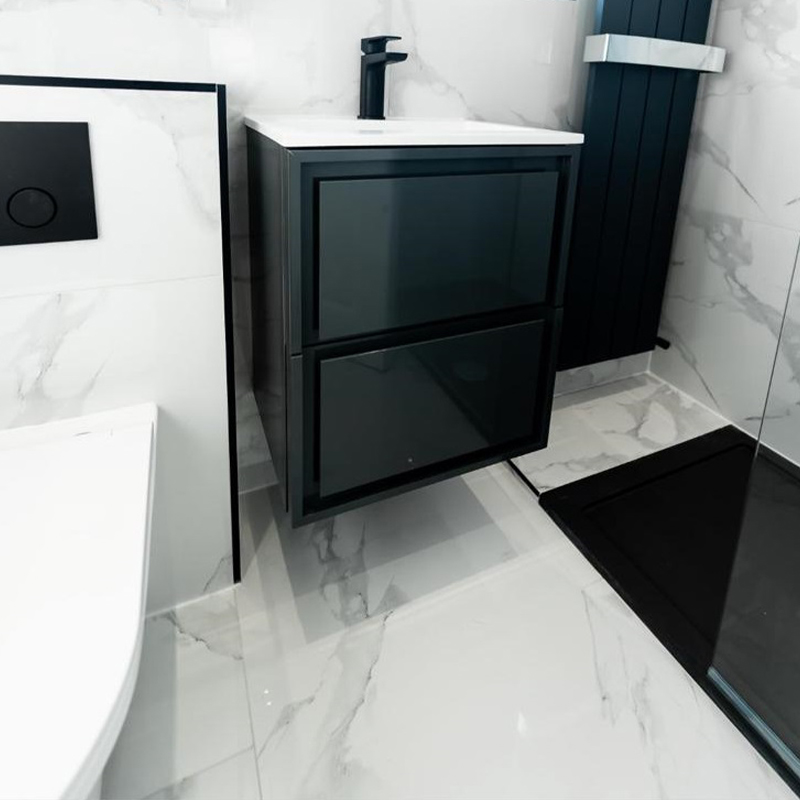
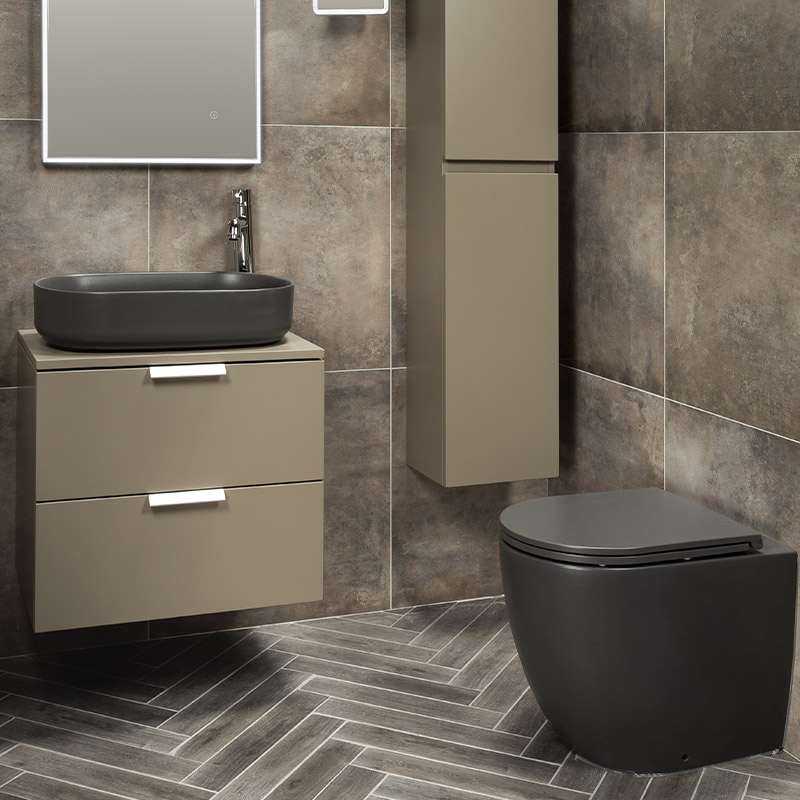
Our extensive range of large-format porcelain tiles covers everything from the basics – like simple muted colours and stone effects – to the drop-dead luxurious, like our marble-effect bathroom tiles.
Porcelain provides unmatched durability, full waterproofing, and compatibility with underfloor heating systems. Available in marble, concrete, terrazzo, and stone finishes, large-format porcelain delivers a premium hotel-style finish that handles heavy daily foot traffic without wearing down.
Porcelain is naturally water-resistant and anti-slip, making it a winning choice for wet rooms. It’s also super durable and long-lasting too.
The long, slender lines of these large-format tiles also help to draw the eye across your interior space, making even the smallest bathrooms look like kingly palaces.
Vinyl Flooring (LVT & SPC) for Bathrooms
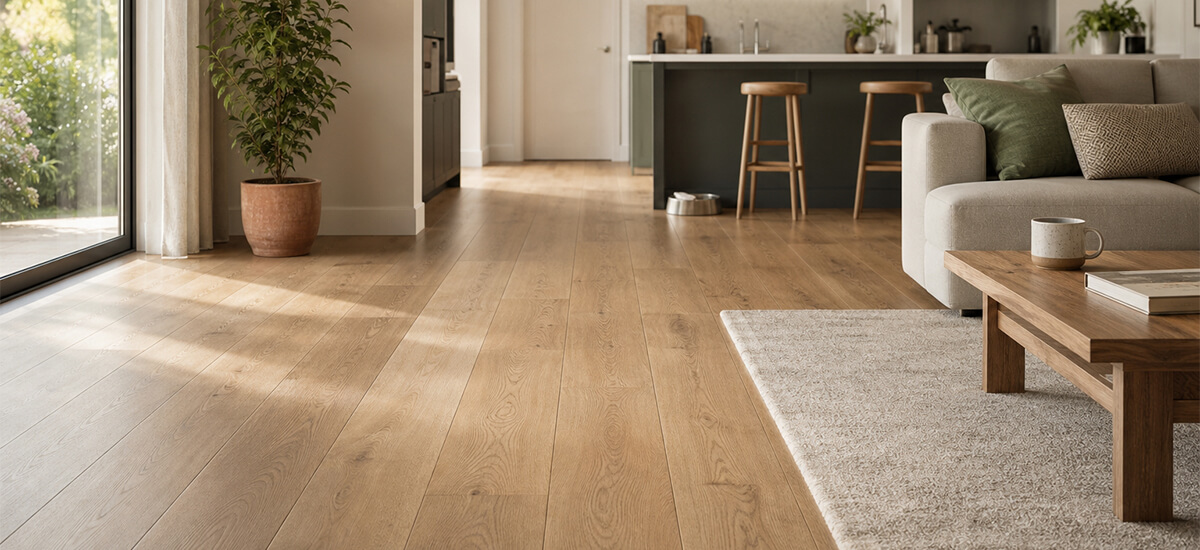
I think we’d all love some gorgeous wooden flooring in our bathrooms, but wood tends to make for a rotten (excuse the pun) choice in damp environments.
The extra layer of protection is usually a heavy film covered with a UV-cured urethane that makes it scuff, stain and scratch resistant.
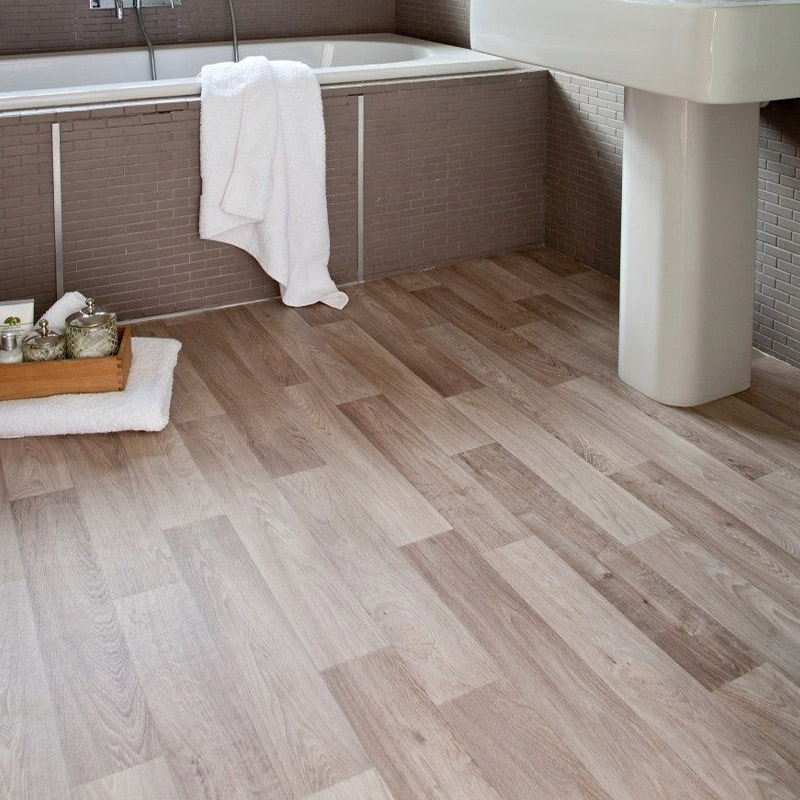
If you are exploring bathroom floor alternatives to tile, Luxury Vinyl Tile (LVT) and Stone Plastic Composite (SPC) rigid core vinyl represent the best resilient flooring solutions on the market. Modern 100% waterproof vinyl planks feature a dense composite core that resists thermal expansion, making them fully stable in wet environments.
- Warmth Underfoot: Vinyl feels noticeably warmer under bare feet than porcelain or natural stone when underfloor heating is not installed.
- Easy Click Installation: Most SPC vinyl planks feature click-lock joints, allowing installation directly over existing level subfloors without wet mortar or tile adhesive.
- Scratch and Scuff Protection: High-grade LVT includes a clear UV-cured urethane wear layer that protects against scratches, dropping toiletries, and heavy furniture pressure.
Thank goodness, then, for SPC vinyl wood-effect planks! This stunning alternative looks indistinguishable from the real deal, yet is 100% waterproof, more affordable, and longer-lasting. Browse the range today and pick the wood finish which best says "you"!
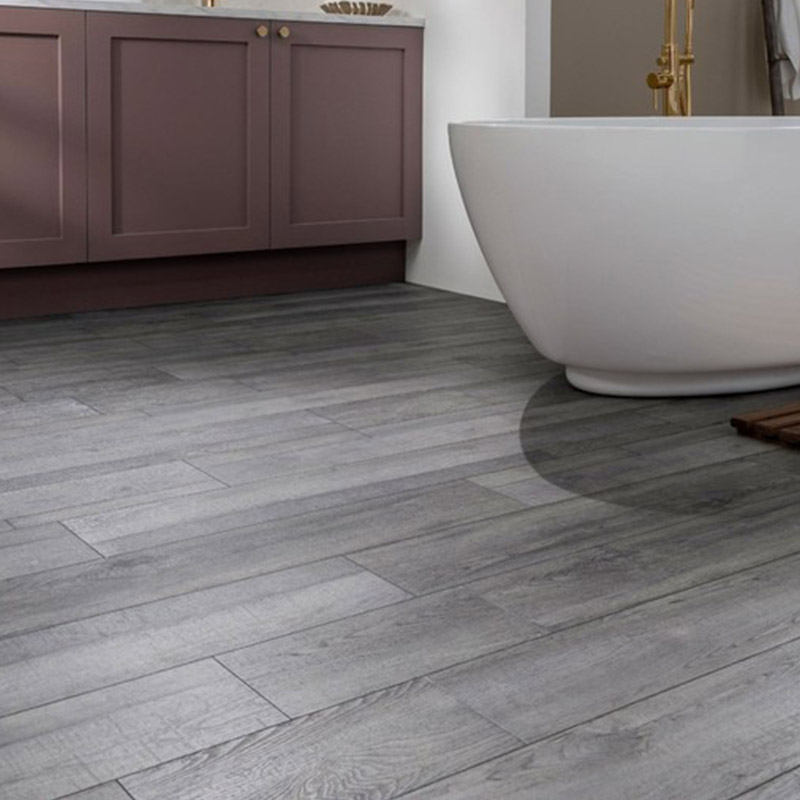
Wood-effect porcelain tiles
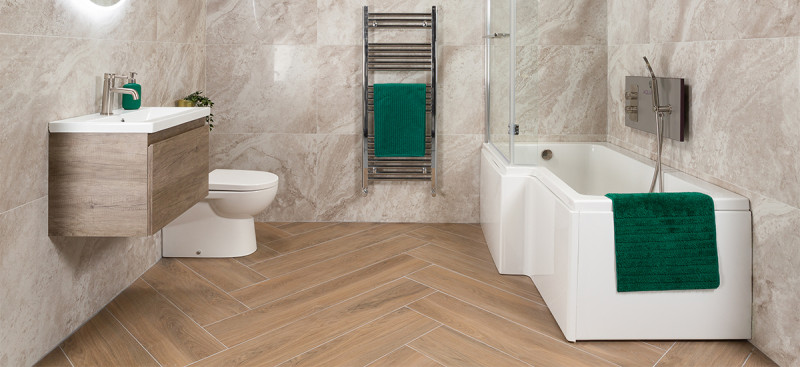
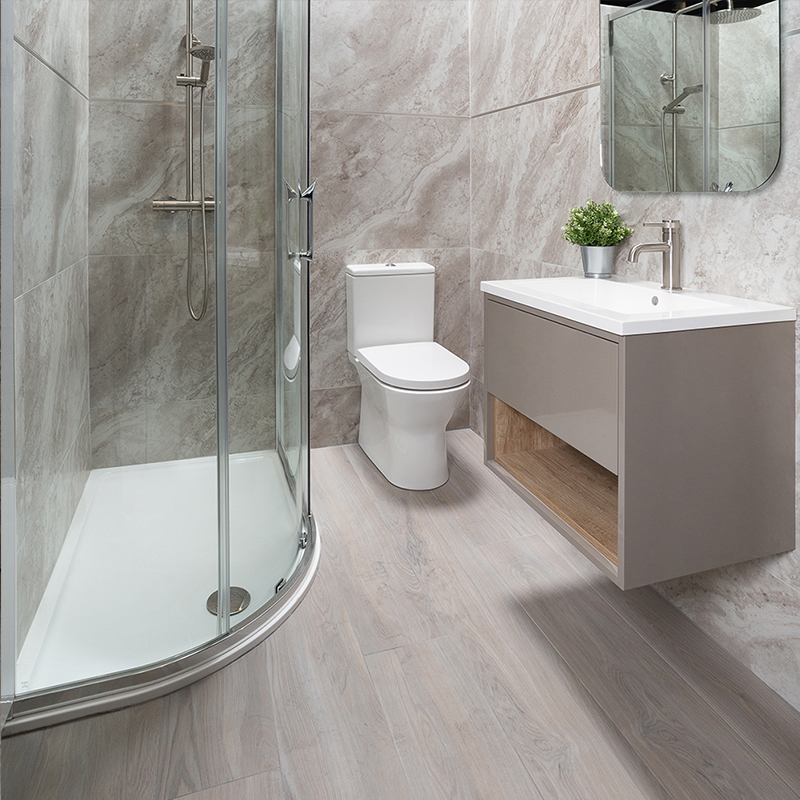
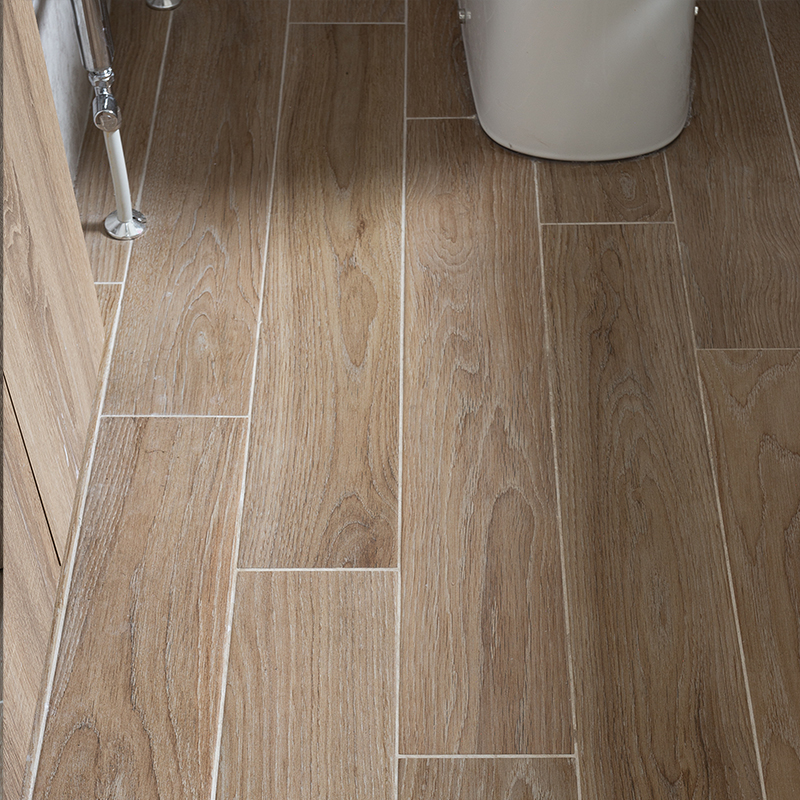
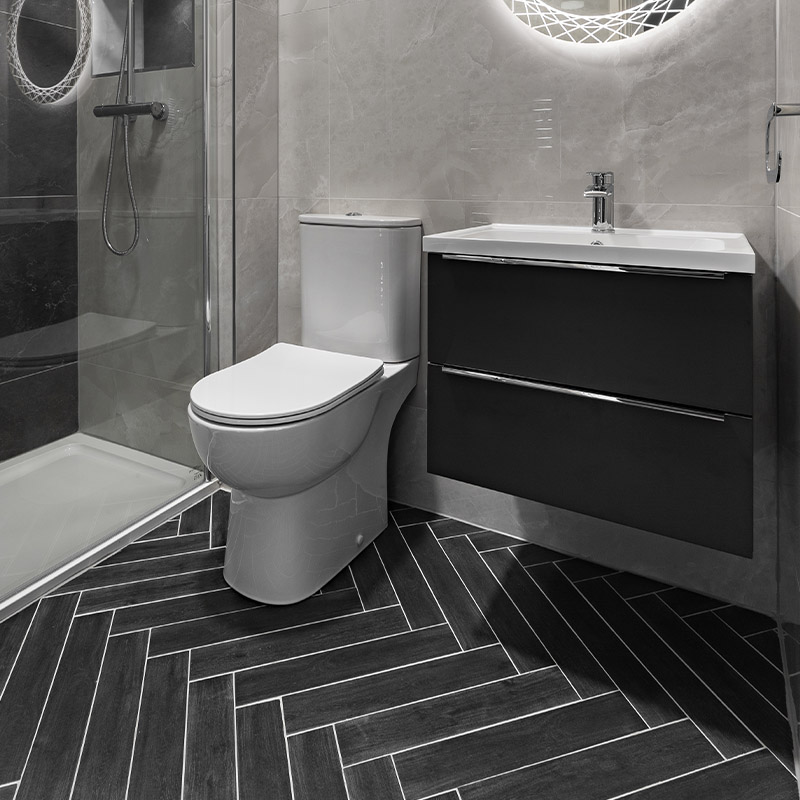
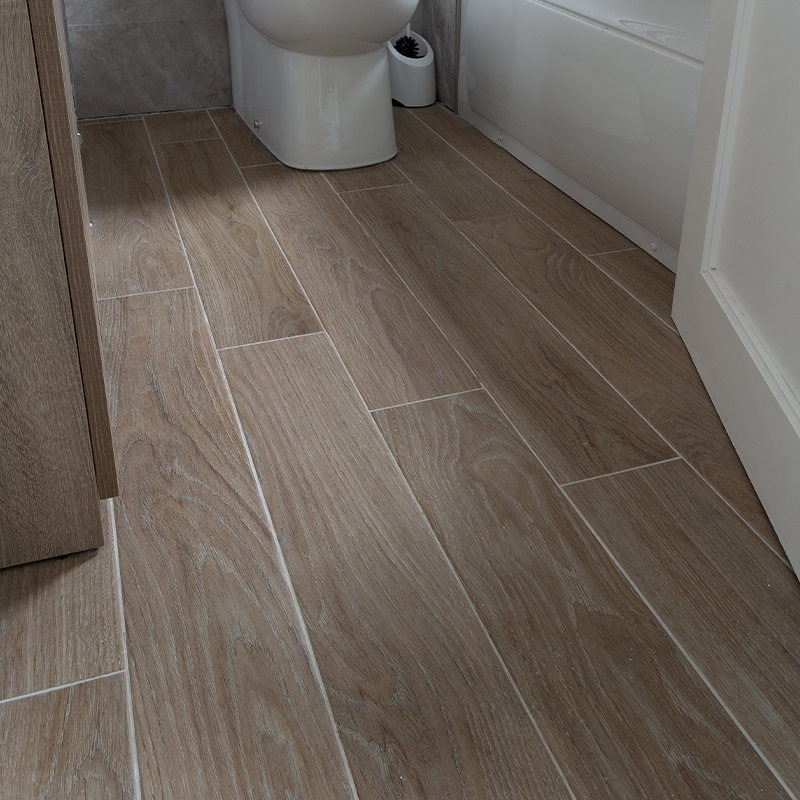
It’s not just vinyl flooring that can effect a woody presence in your bathrooms, shower rooms, and toilets. Introducing our ever-popular wood-effect porcelain tiles for bathroom floors.
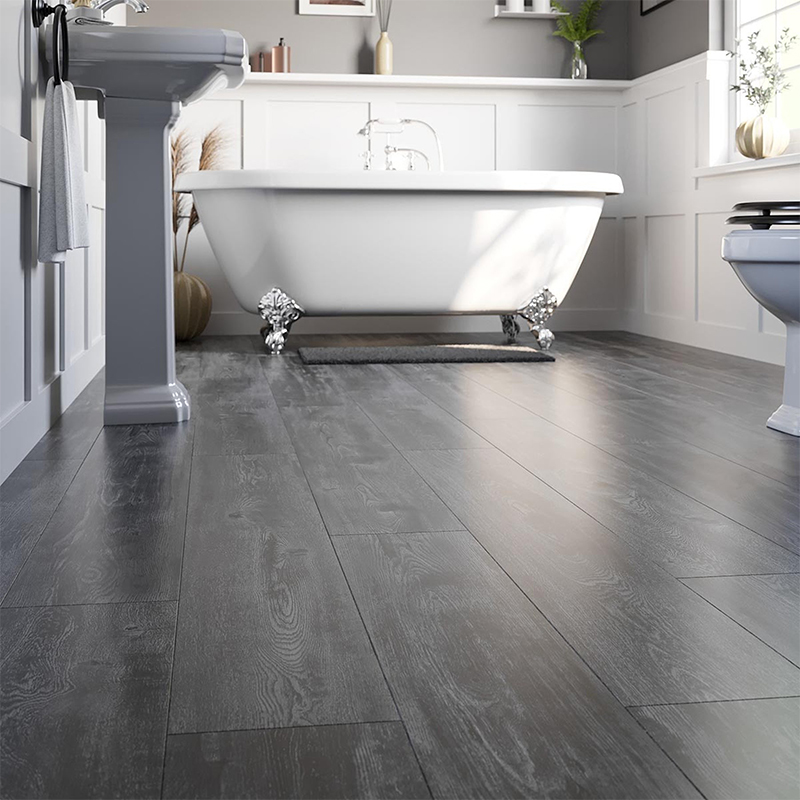
From oak and walnut to richest ebony, smoky grey, and sun-bleached white, our porcelain wood-effect tiles are waterproof, resilient, and slip-proof whilst looking just like real wood.
For homeowners who want the warmth of natural timber without the rot risk, wood-effect porcelain tiles are the ultimate solution. These tile planks feature high-definition wood grain textures, realistic knots, and shade variations. Unlike natural timber, wood-effect porcelain will not warp under standing water, cup under humidity, or discolour when exposed to sunlight.
Tiles that look like wood are a fabulous way to replicate the cosy vibes of a Scandinavian sauna from the comfort of your bathroom.
Laminate bathroom flooring
Finally, we’d be remiss if we didn’t mention our most affordable type of bathroom flooring: laminate.
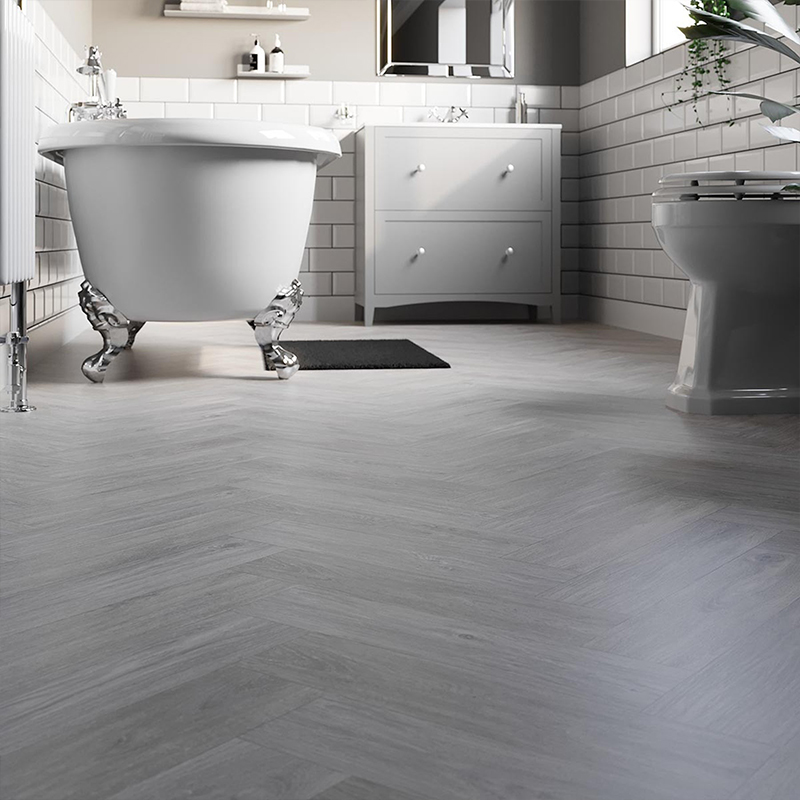
Laminate flooring provides an affordable wood-look option with simple click-lock fitting for DIY renovations. Modern bathroom laminate features water-repellent surface coatings and tight joint technology. However, laminate is water-resistant, not 100% waterproof. Standing water left in seams will eventually soak into the HDF core board, causing swelling and edge-peeling. Spills must be wiped clean immediately.
Laminate has come a long way from the sticky, tacky, cheap-looking floors of our childhood school memories. Today, our laminate offers a premium quality flooring solution to those of us on a budget, yet still looking to elevate our interior design.
We’ve got dozens of different wood tones, effects and finishes of laminate flooring for you to choose from, perfect for matching your new bathroom floor to the aesthetic you’ve worked so hard to create around the rest of your home.
In fact, our laminate flooring offers the single biggest diversity of colours and wood-effects out of any of our bathroom flooring options. Laminate floors are reasonably easy for a DIY homeowner to install.
The only thing crucial to remember if choosing laminate for your bathroom is that it is not 100% waterproof, and extra care will need to be taken to clean up any spills as otherwise the flooring will stain.
Conclusion: Best Type of Flooring for Your Bathroom
| Flooring Type | Water Rating | Maintenance Level | Underfloor Heating Compatible | Installation Difficulty |
|---|---|---|---|---|
| Porcelain Tiles | 100% Waterproof | Low (No sealing needed) | Excellent | Moderate to High (Pro/Tiler) |
| SPC / LVT Vinyl Plank | 100% Waterproof | Very Low (Mop & sweep) | Good (Check manufacturer specs) | Low (DIY Click-lock) |
| Water-Resistant Laminate | Water-Resistant | Moderate (Clean spills fast) | Fair | Low (DIY Click-lock) |
| Natural Wood (Hardwood) | Porous / Poor | High (Frequent sealing) | Not Recommended | High |
Choosing the best type of bathroom flooring depends entirely on your taste, style, budget, and the dream bathroom design you have in mind.
All of the 4 types of bathroom floors discussed above are reliable, practical, and – in our opinion – truly gorgeous.
Browse our full range of flooring options today, and discover for yourself the key to unlocking your best bathroom look yet! Don’t forget, we also stock bathroom wall tiles, accessories like mirrors and towel rails, shower fittings and more!
Frequently Asked Questions: Bathroom Flooring Options
What are the best tiles for a bathroom floor?
Porcelain tiles are widely considered the best choice for bathroom floors. They are non-porous, highly durable, scratch-resistant, fully waterproof, and compatible with underfloor heating. Glazed porcelain with an R10 or R11 slip rating offers superior traction on wet surfaces.
Can I use wood effect porcelain tiles in a bathroom?
Yes. Wood-effect porcelain tiles are ideal for bathrooms because they provide the natural aesthetic of oak or walnut while remaining 100% waterproof. They won't warp, swell, or discolour when exposed to steam, splash water, or underfloor heating.
What can I put on my bathroom floor instead of tiles?
If you want a non-tile alternative, Stone Plastic Composite (SPC) or Luxury Vinyl Tile (LVT) flooring is the top recommendation. SPC vinyl planks offer a 100% waterproof wood or stone finish that is warm underfoot, softer than porcelain, and easy to install via click-lock mechanics.
Is LVT suitable for bathrooms?
Yes, LVT is fully suitable for bathrooms. Modern click-lock LVT and glued LVT feature waterproof synthetic cores and polyurethane protective wear layers that prevent water damage, bacterial growth, and surface staining.
Is vinyl or laminate flooring better for bathrooms?
Vinyl (especially LVT/SPC) is superior to laminate in bathrooms. While laminate is only water-resistant and swells if water enters seams, high-grade vinyl is 100% waterproof and can handle standing water without damaging the plank structure.
Can bathrooms have wooden floors?
Real solid or engineered hardwood flooring is not recommended for bathrooms. Natural wood absorbs moisture, leading to warping, rotting, mold, and finish deterioration. To get an authentic timber look, opt for wood-effect porcelain tiles or waterproof SPC vinyl planks instead.
Can you use cork flooring in a bathroom?
Cork is naturally water-resistant and soft underfoot, but it is not 100% waterproof. If installed in a bathroom, it must be sealed with polyurethane upon installation and resealed every 5–10 years. Water pooling in seams will eventually degrade unsealed cork sub-layers.
How do you lay vinyl floor tiles in a bathroom?
Ensure the subfloor is flat, clean, and dry. Measure from the centre of the room outward toward walls and obstacles. When fitting around toilets or sink pedestals, create paper templates to trace precise curves onto vinyl planks before cutting with a sharp utility knife. Ensure edge gaps around walls are sealed with sanitary silicone.
Do you need to waterproof a bathroom floor?
Yes, preparing the subfloor with a tanking membrane or waterproof primer before installing tiles is essential in wet rooms and walk-in shower areas to protect joists and subfloors from structural moisture damage.
What type of flooring is best for bathrooms?
Porcelain tile is overall the best flooring type for bathrooms due to its durability, 100% waterproof rating, and compatibility with underfloor heating. For DIY-friendly installations or warmer underfoot feel without heating, Stone Plastic Composite (SPC) luxury vinyl plank is the best resilient alternative.
What is the safest bathroom flooring?
The safest bathroom flooring features a high slip-resistance rating to prevent falls on wet surfaces. Look for glazed porcelain or ceramic tiles with an R10 or R11 anti-slip rating, textured matt finishes, or small-format tiles (like mosaics) where frequent grout lines add natural foot traction. Textured vinyl with anti-slip wear layers is also a safe alternative.
Which type of bathroom flooring is the most water resistant?
Porcelain tiles and SPC luxury vinyl are tied for the highest level of moisture protection because both are 100% waterproof (not just water-resistant). Porcelain has an ultra-dense absorption rate of less than 0.5%, meaning standing water cannot penetrate the tile body or damage the subfloor beneath.
Find Your Ideal Bathroom Floor at Tile Merchant
Choosing the best bathroom floor comes down to your installation goals, design style, and budget. Whether you prefer large-format porcelain, warm wood-effect tiles, or click-lock SPC luxury vinyl plank flooring, Tile Merchant stocks a complete range for homes across Ireland.
Order free cut samples directly through our website to test finishes and slip resistance in your own home, or visit our customer showrooms in Ireland, open 7 days a week.
We offer extremely competitive pricing on our entire range of tiles and likewise. We stock a huge range of wall and floor tiles and our prices are competitive for retail and trade. Our stock is widely available in our tile stores in Dublin and Ashbourne (Co. Meath) which are open 7 days a week.
Alternatively, if you’d prefer to shop our tiles online, we can supply you with samples delivered for free.
Article written by Tile Merchant

 Website